Frappé coffee: ask whether it is shaken foam or a blended ice drink
Frappé can lead to different drinks depending on the recipe. A foamy instant-coffee preparation shaken with water is different from a blender drink containing crushed ice and several additions. Learn a simple shaken version, understand where milk enters, and ask a useful question before ordering a drink whose name alone leaves the method unclear.
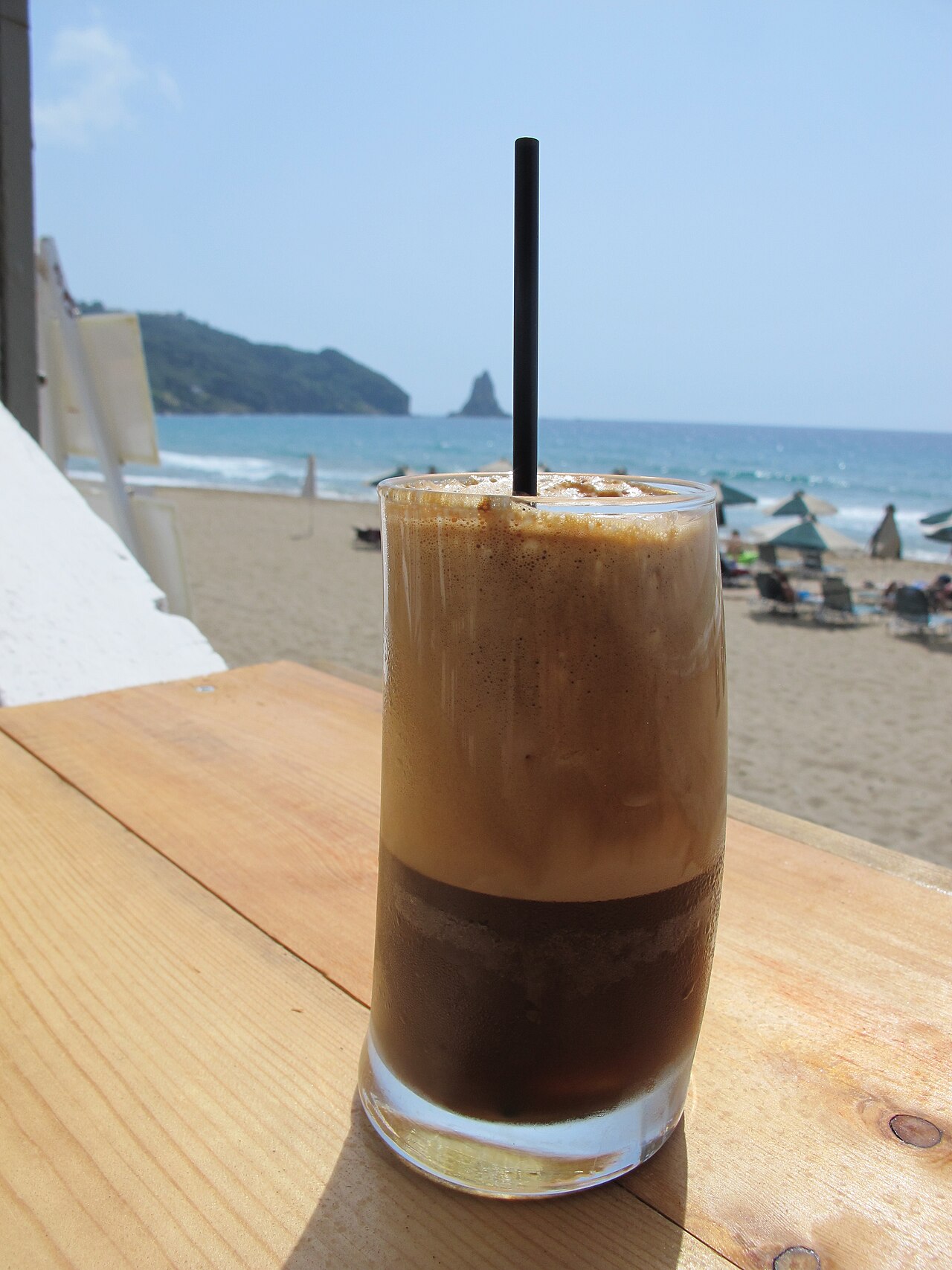
Identify the preparation behind the name
Nescafé publishes a shaken instant-coffee frappé and also a separate blender-based coffee frappé. The distinction is practical: one first makes a foamy coffee mixture and pours it over ice; the other blends ingredients and breaks down the ice. A tall pale glass or a straw is not enough to tell you which method produced it.
Begin by asking whether you want coffee with an airy upper foam and distinct ice cubes, or a more uniformly blended frozen texture. The photographs here are identified by their creators as coffee frappé presentations. They are not used to infer a specific sugar measure, milk product or chain-store recipe. Those details must come from the preparation itself.
Use instant coffee for the shaken recipe
Nescafé India’s recipe starts with one teaspoon of its instant coffee, an optional teaspoon of sugar and30ml room-temperature water. It shakes that small mixture, pours it over ice and then adds cold water and milk. This is one explicit producer method. It does not require a freshly extracted espresso or a blender to perform the initial foaming stage.
Use a clearly identified soluble coffee, not ordinary ground beans. Measure the initial water carefully before shaking: the concentrated mixing stage and the later liquid additions have different jobs. If you begin with a full glass of water and then loosely scatter coffee on top, you are no longer following the same sequence and should not expect the same result.
References: 1
Prepare a usable shaker and glass
Choose a suitable shaker that can close securely and has room for the small mixture to move. Follow the equipment directions and keep the lid secure during shaking. The cited method uses room-temperature water, so there is no reason to introduce hot liquid into a sealed improvised vessel for this recipe. Set the serving glass down before you start.
Add ice to the serving glass with space for both the later liquid and foam. For the cited350ml serving vessel, the producer lists three quarters of a cup of cold water and a quarter cup of milk after the initial mix. Check your actual vessel capacity and recipe units; a cup measure and a drinking cup are not automatically identical objects.
References: 1
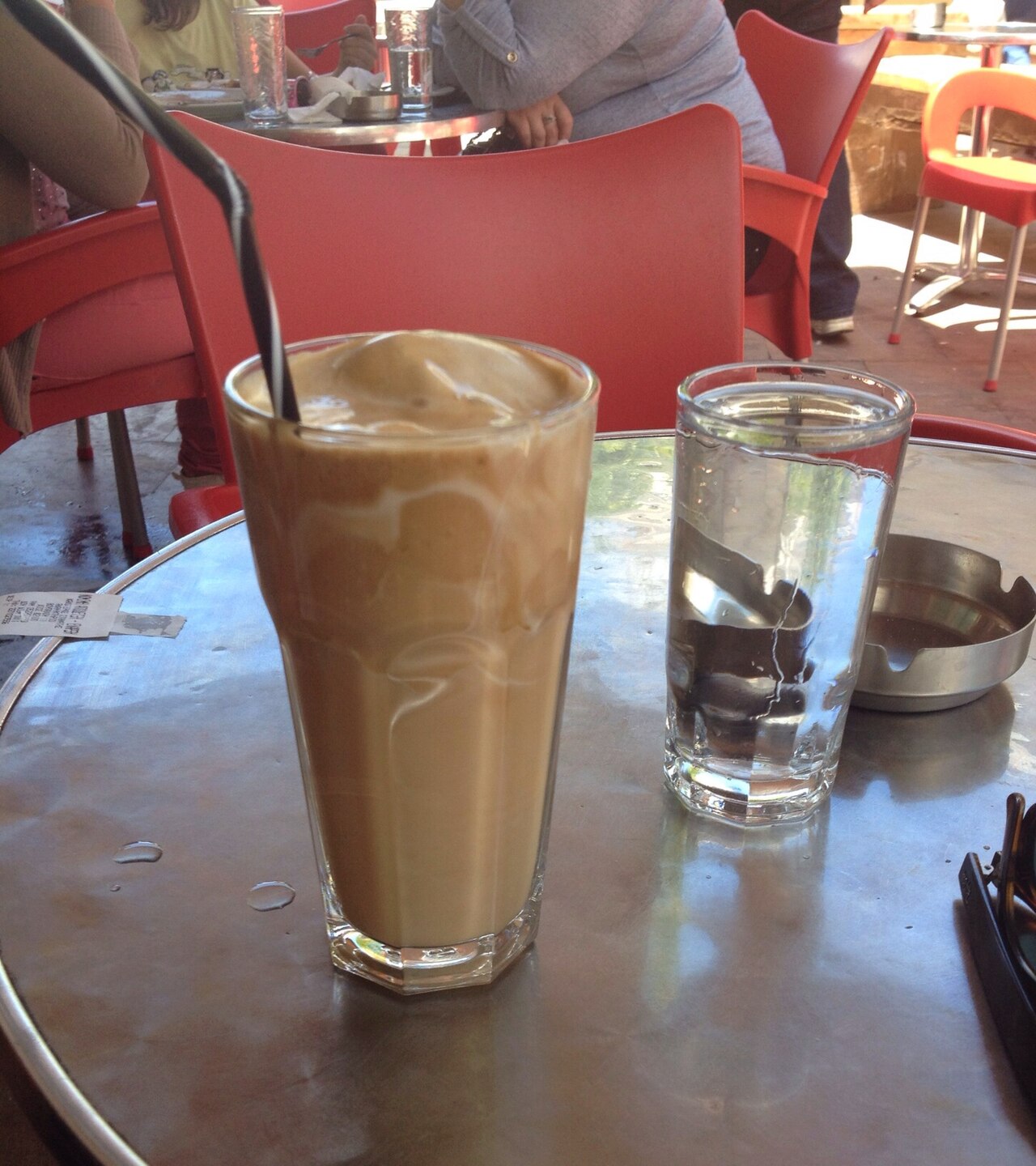
Shake the small coffee mixture first
Combine the measured instant coffee, optional sugar and initial water, then shake vigorously according to the recipe and equipment. Nescafé gives approximately ten seconds as its reference. Look for a foamy mixture rather than treating the clock alone as proof that all granules have incorporated. Pour the mixture over the prepared ice without knocking the serving glass.
Keep the initial formula consistent for the first attempt. If you add a large flavoured syrup at this stage, it changes the liquid and sweetness as well as flavour. A smooth, identifiable baseline is easier to troubleshoot than a glass containing several unmeasured additions. A practical home preparation does not need to reproduce a towering advertising foam head.
References: 1
Add cold liquid and decide on milk
Add the recipe’s cold water and milk with enough care to avoid overflowing the foam. Milk is an identifiable ingredient choice: you can select a different suitable milk product, but its flavour and texture belong to that variation. A white appearance does not establish which product was used. Read its label and describe it when serving others.
Gently combine as needed to distribute the coffee through the drink, then taste. The foam can remain visibly distinct while the liquid below becomes more even. If you taste only the foam or only a milk-heavy lower sip, you may get an incomplete impression. Leave room for a spoon or other appropriate stirring utensil rather than filling to the rim for appearance.
Troubleshoot texture and dilution separately
If the drink feels weak, identify whether the initial coffee measure was low or the final water, milk and melted ice made the serving too long. More shaking will not reverse extra water already added. If the mixture is gritty, check coffee solubility and incorporation before adding another spoonful. A pale foam is not a reliable measure of coffee concentration.
If you prefer less sweetness, omit or reduce optional sugar in a method that allows it and expect the balance to change. Do not automatically add syrup because the surface appears less glossy than a photograph. Serve a portion you will enjoy while cold; a glass left over melting ice will not maintain its initial concentration indefinitely.
Treat a blender frappé as its own recipe
Nescafé Singapore’s blender recipe breaks the ice down with the other ingredients. That is a separate method worth following coherently if you want its texture. Use a blender explicitly suitable for ice, respect its working capacity, and follow its lid and operation instructions. A basic handheld milk frother should not be assumed to crush cubes safely.
At a café, ask whether the frappé is shaken instant coffee or blended, whether milk or ice cream is included, and how it is sweetened. A brief method question prevents surprises more effectively than relying on a translated name. If you want a plain foamy coffee, specify that; if you want a dessert-like frozen drink, ask for the recipe that actually delivers it.
References: 2
Clarify the tool before changing the order
Illustrative café order: Noor wants a coffee with foam and whole ice cubes. The café’s frappé is a blended milk drink, so Noor asks whether a shaken instant-coffee version is available instead. If not, Noor selects another clearly described iced coffee. The decision is based on method and ingredients, not on whether the menu spelling includes an accent.
Questions
Does every frappé contain ice cream?
No. The cited shaken coffee recipe does not require ice cream. Read the actual recipe because blended dessert versions can have other ingredients.
Can I replace instant coffee with grounds?
The shaken method here relies on soluble instant coffee. Ordinary grounds are not interchangeable in the initial mixture.
Is the foam enough to identify the recipe?
No. Ask about method, milk, sweetness and any other additions. Similar surfaces can sit above different drinks.
Sources and photography
Photographs are credited beside each image. Their recorded capture dates describe the images; check the current visitor or product information linked above when planning.