Marocchino: keep the chocolate, espresso and milk foam in a small clear recipe
A marocchino combines espresso with cocoa and a small milk-foam finish, sometimes with a chocolate base. Its name does not tell you whether a café uses syrup, spread or a different chocolate preparation. Learn one measured producer example, distinguish the jobs of syrup and cocoa, and avoid turning a compact drink into an accidental large mocha.

Read the chocolate choices separately
Nespresso’s Singapore recipe includes chocolate syrup at the bottom, espresso, cocoa dusting and spooned milk foam. Syrup in the base and cocoa on the surface are separate ingredients with separate jobs. A brown rim or decorative dusting cannot tell you what was mixed into the coffee underneath, so a photograph is not a complete recipe.
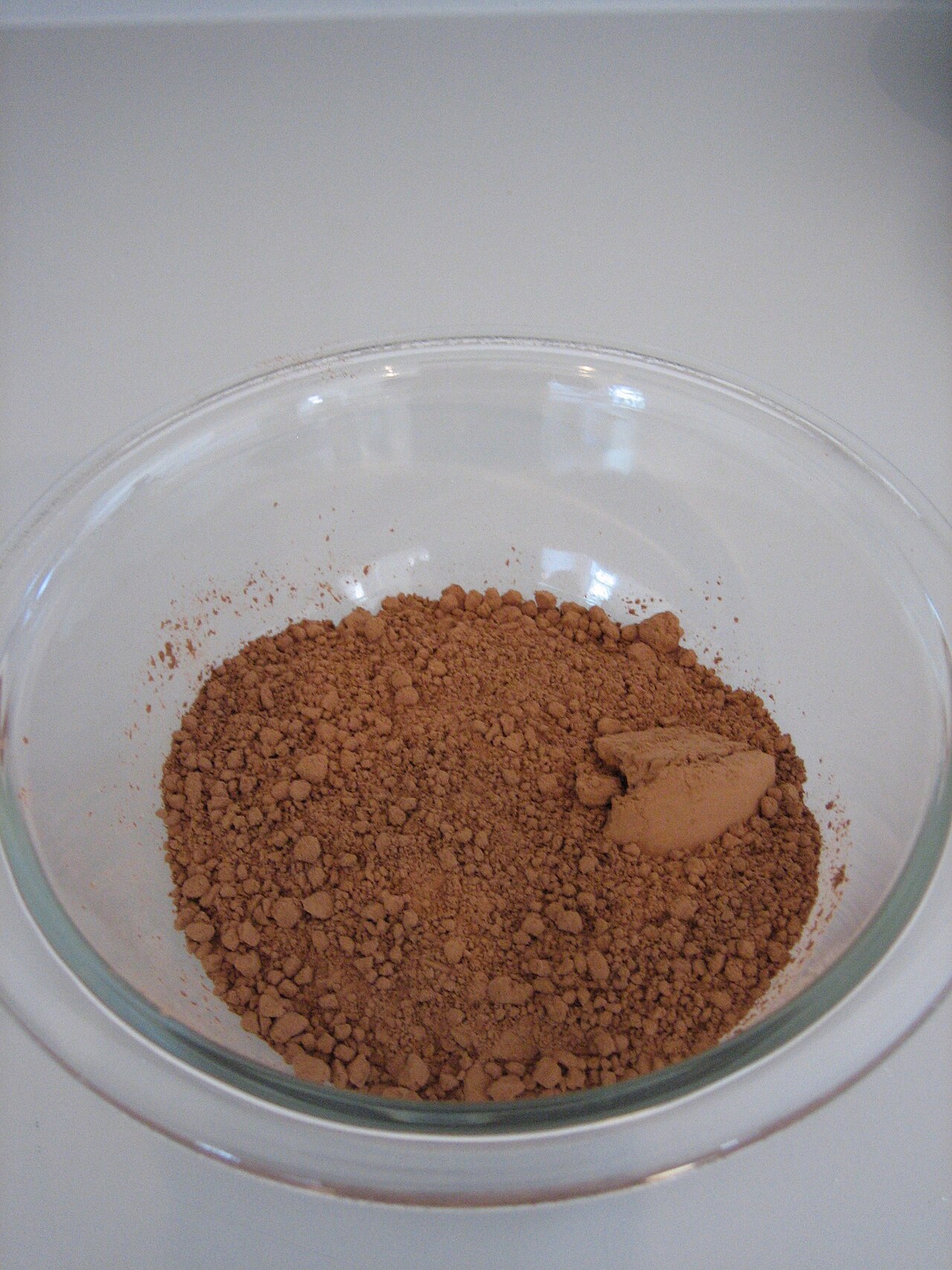
The source-identified marocchino photograph here is in a ceramic cup, demonstrating that service can differ from a producer’s small-glass recipe. Its visible chocolate-coloured rim and milk surface are presentation details, not measured quantities. An accompanying cocoa photograph identifies an ingredient only; it should never be represented as another finished coffee serving.
References: 1
Use a compact measured reference
The cited recipe lists5ml chocolate syrup,40ml espresso, three teaspoons of milk froth and a pinch of cocoa. These amounts describe that producer’s example rather than an international standard. Use a serving vessel appropriate for hot coffee with room for the small foam portion. If a cup is much larger, there is no requirement to fill it to the brim.
Measure the syrup before starting. Five millilitres is a teaspoon-sized quantity, not a thick coating applied without reference to volume. Chocolate sauces vary, so read the product’s actual preparation and ingredients. A sweetened drinking-chocolate powder, cocoa powder and a chocolate spread should not be substituted as equal spoonfuls while calling the recipe unchanged.
References: 1
Place the syrup before adding espresso
Put the syrup into the bottom of the serving vessel and prepare the espresso according to your equipment instructions. Add the coffee as the chosen recipe directs. If you prefer an evenly distributed base for drinking, gently incorporate the syrup through the coffee before the finishing foam. If preserving layers briefly for presentation, plan to combine the drink before assessing its final balance.
Check the base rather than assuming syrup automatically mixed because hot coffee touched it. A heavy sweet residue at the end of the cup can be a distribution problem as well as a quantity preference. Do not solve that immediately by doubling the syrup. A manageable cup with space for a spoon makes incorporation easier than a decorative glass filled to its edge.
Apply cocoa lightly and deliberately
The source places a light cocoa layer on the espresso and another light finish above the foam. Use a suitable food-safe shaker or a small controlled pinch rather than dumping a spoonful of dry powder onto the drink. Keep loose powder away from your face and the vessel rim where it would make sipping unpleasant.
Read whether your cocoa ingredient is unsweetened or a prepared sweetened mixture. That distinction matters to flavour and cannot be established from its dark colour. A dusting is a small finishing amount, not a substitute for incorporating a different chocolate ingredient. If you want a cocoa-only variation without syrup, choose and describe that recipe rather than silently omitting the base and expecting the same sweetness.
References: 1
Prepare milk foam independently
Prepare the milk using an appropriate frother and its instructions, then spoon the intended small portion over the coffee. The recipe’s milk-froth measure refers to foam served, not necessarily the minimum liquid batch your appliance needs to operate. Respect device fill marks and avoid forcing a tiny milk amount into equipment that requires more.
Use the spoon to control how much foam enters instead of emptying an entire jug into the cup. Extra liquid milk makes the drink longer and changes its coffee-chocolate balance. That may be a pleasant personal variation, but recognize the change. For a milk alternative, read its instructions and expect a different texture rather than assuming every formulation foams identically.
References: 1
Taste the complete small drink
Add the final light cocoa finish if wanted and serve promptly with a spoon. Allow the hot liquid to cool enough for comfortable sipping. Sample the combination rather than judging only a dry cocoa patch or a spoonful of milk foam. If you mix gently, reach the base where syrup can remain, taking care not to splash a nearly full vessel.
If the drink seems dominated by milk, review the amount of foam and liquid milk delivered. If it is excessively sweet, consider the syrup and any sweetened cocoa mixture separately. If chocolate hardly registers, first confirm incorporation. These observations help you adjust a later cup without increasing every ingredient and producing a different-sized drink.
Order the format you mean
Ask what chocolate ingredient the café uses, whether it includes syrup or spread in the base and how much milk is added. If the menu also lists mocha, compare the described ingredients and serving sizes rather than assuming one spelling fixes every recipe. A concise question about the base is more useful than requesting a vague more authentic version.
When serving at home, identify optional spreads or toppings as additions, including their ingredients. Do not infer caffeine or dietary values from the small vessel. The measured coffee and actual chocolate and milk products provide the relevant information. Begin with one compact preparation, then choose a variation because you prefer it rather than because a larger cup seems unfinished.
A large frothing batch does not require a large drink
Illustrative preparation: Lina’s milk appliance needs more milk than one small marocchino uses. She prepares the required batch safely, then spoons only the intended foam portion onto40ml espresso over5ml syrup. She does not empty the jug into the cup just to avoid a remainder. The preparation batch and serving quantity are separate decisions.
Questions
Does a cocoa dusting reveal every chocolate ingredient?
No. A recipe may also use syrup, spread or another base. Ask what is incorporated beneath the surface.
Must I fill a large cup?
No. Use a suitable vessel and the intended small serving quantities. Adding extra milk changes the recipe balance.
Is the cocoa photograph another marocchino?
No. It is an ingredient photograph used to explain cocoa selection and application. The cup photograph shows the source-identified finished drink.
Sources and photography
Photographs are credited beside each image. Their recorded capture dates describe the images; check the current visitor or product information linked above when planning.