Coffee granita: freeze a sweetened base and scrape it into spoonable crystals
Coffee granita turns prepared coffee into a crystalline frozen dessert. The coffee is part of the ice itself, unlike a drink poured over plain cubes. A useful home batch needs a measured base, a suitable freezer container and repeated attention to texture. Plan it ahead, then add cream or another finish only when serving.
Choose frozen coffee crystals rather than an iced drink
Nespresso’s plain granita recipe freezes sweetened coffee and breaks the ice with a fork. The point is a loose crystalline texture that can be served with a spoon. Dropping ordinary ice into cold coffee is a different preparation, and blending an iced latte is another. Decide which result you want before choosing equipment or a recipe.
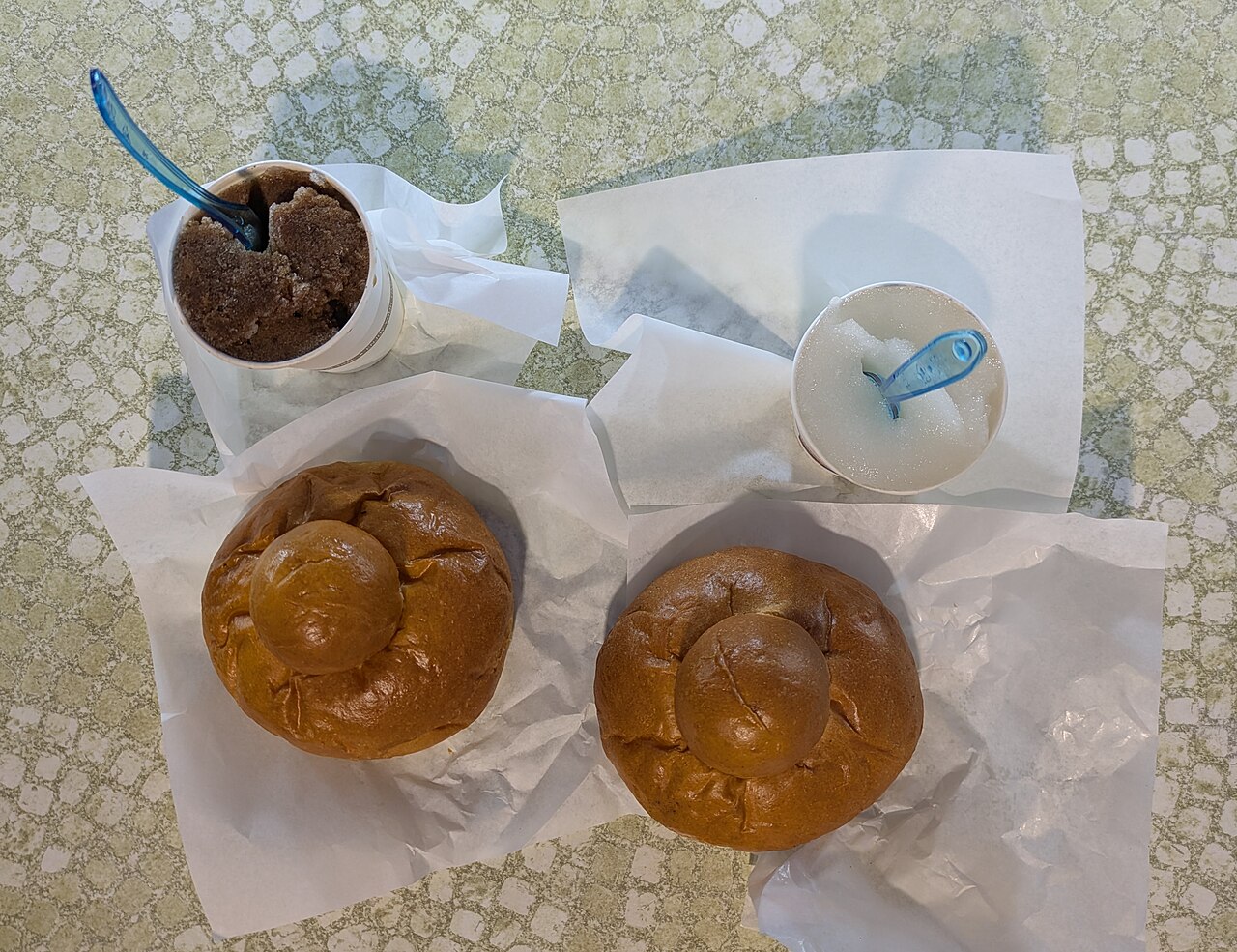
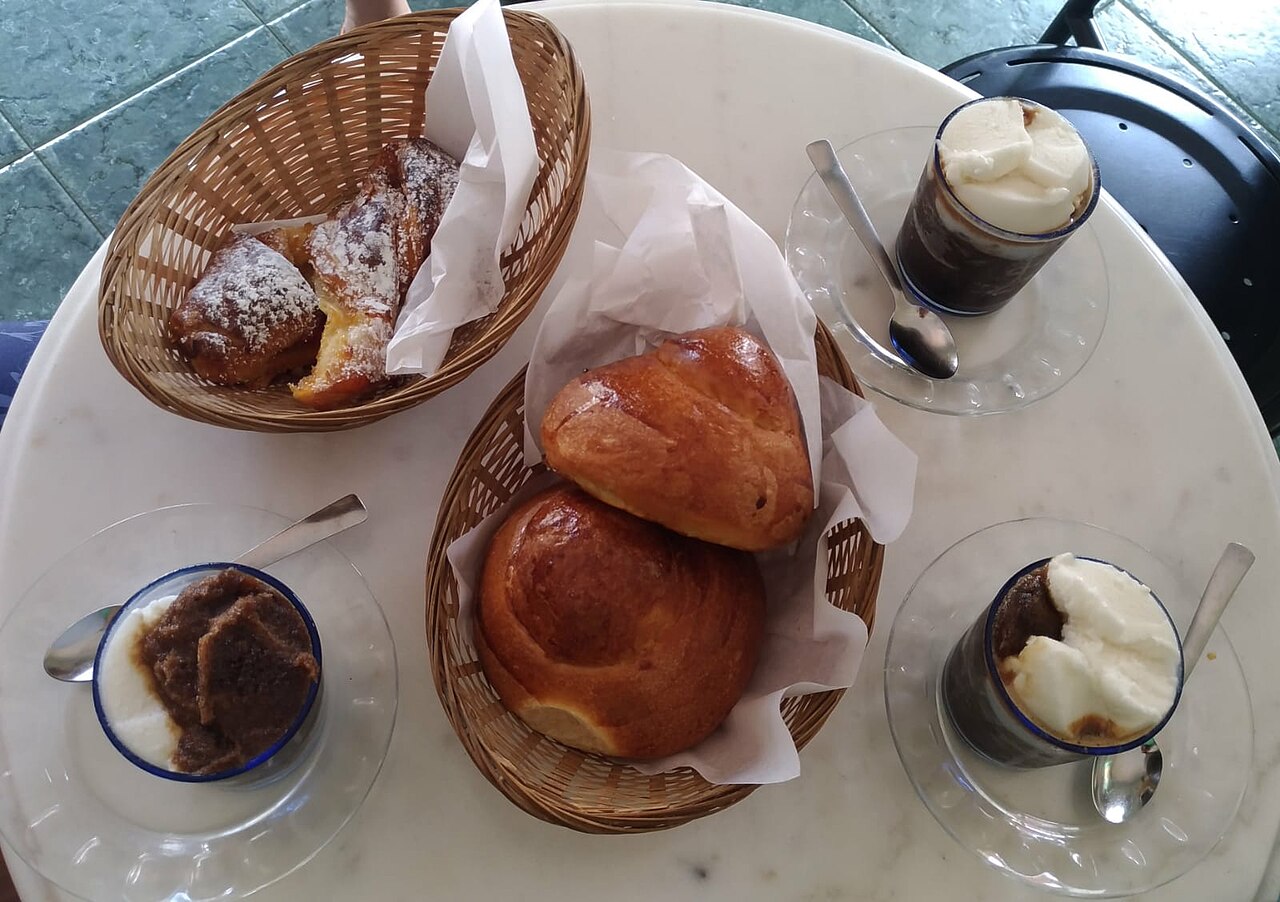
The first photograph shows coffee granita at the upper left and a separate lemon granita at the upper right, with brioche. The second is explicitly identified as a coffee-and-almond variation with pastries. Neither picture is presented as the measured plain coffee-and-sugar recipe below. Cream, almond and lemon are distinct ingredients, and a pale frozen portion should not be identified by colour alone.
References: 1
Start with one measured coffee base
The cited Nespresso Singapore recipe uses600ml espresso coffee and60g white sugar. For a smaller illustrative batch with the same proportions, use200ml prepared coffee and20g sugar. That scales the ingredients mathematically; it does not guarantee the same freezing time in a different vessel. Prepare the coffee through suitable equipment and measure the output.
Dissolve the measured sugar thoroughly while the coffee is warm, then cool the mixture before freezing as the source directs. Do not scatter dry sugar onto a tray of already frozen coffee and expect an equivalent base. Taste a cooled sample to understand what you made, while recognizing that this is a frozen-dessert preparation rather than a mug intended for immediate drinking.
References: 1
Choose a container that can be scraped
Use a food container suitable for freezing and for the utensils you will use. Leave room to work a fork through the mixture later. A narrow-necked bottle or a deep drinking glass makes that action unnecessarily awkward. Read the container’s temperature and care directions; not every attractive serving vessel belongs in a freezer.
Place the container level in a clear freezer space so the mixture stays contained. A relatively shallow layer is easier to inspect and work than a deep block, but the dimensions of your particular container still matter. Note its shape when repeating the recipe. The same liquid quantity spread across a broad tray behaves differently from a thick pool in a small tub.
Check the freezing stage before scraping
Nespresso gives an initial three-hour freeze for its batch, then repeated fork work at fifteen-minute intervals for about an hour. Use that as the source recipe’s reference schedule and check the actual mixture. Your freezer, quantity and container can change when the edges and centre become workable. A timer tells you when to look, not whether every tray has identical crystals.
When ice has formed, scrape and loosen it with controlled fork strokes, including firmer areas at the edges. Work the crystals into the remaining mixture rather than chipping only a decorative spoonful from one corner. Avoid stabbing forcefully into a hard block or damaging the container. Return it to the freezer between checks so the whole batch can finish developing texture.
References: 1
Finish with an even spoonable texture
Continue until the mixture is frozen into loose, workable crystals rather than a tray of liquid with one frozen crust. If a part has become very hard, allow only the controlled softening needed to work it safely, then reassess. Do not mistake a large pool of melted coffee for the intended final texture and serve it under a tall cream topping.
The source recipe includes a short refrigerator softening stage before a final fork mixing and service in chilled glasses. Adjust handling to the actual texture while keeping the dessert cold. Prepare small bowls or suitable glasses and spoons before removing the tray for service. Portion it shortly before eating so the first and last guest do not receive completely different consistencies.
References: 1
Add cream as a separate finish
Lavazza publishes a coffee-granita variation served with a sweetened ricotta cream and brioche wafer. That is a named dessert version, not evidence that every plain granita must contain ricotta, vanilla or bread. Choose a simple serving first if you want to understand the frozen coffee texture, then add a topping you actually enjoy.
Keep the topping separate until portioning and identify its ingredients for guests. A cream topping melting into the crystals changes the serving as it stands, which can be pleasant without preserving a sharp layered photograph. A second flavour alongside coffee granita should be labelled separately. Colour alone is insufficient to decide whether a pale portion is cream, almond granita or another ingredient.
References: 2
Troubleshoot the batch without disguising it
If the dessert is a hard solid block, review the measured base, container depth and scraping sequence before changing the coffee itself. If it is still liquid, allow the appropriate freezing time and check freezer conditions. Extra sugar, syrup or liqueur is a recipe change, not an automatic remedy for texture; use a verified variation when adding them.
If you want a less sweet version, start from a separate suitable recipe rather than promising identical texture after an arbitrary omission. Make a batch size you can manage and follow ingredient storage guidance for any extras. This is a planned frozen dessert: preparing hot coffee at the dinner table will not instantly produce granita simply because there is ice available.
A scaled batch still needs a texture check
Illustrative preparation: Elise scales the600ml-and60g reference to200ml coffee and20g sugar in a small freezer-safe tray. She keeps the ingredient proportions but checks the actual freezing and scraping stages rather than assuming the large-batch clock is exact. Small chilled bowls and spoons are ready before she portions the finished crystals.
Questions
Is coffee granita coffee poured over crushed ice?
The coffee mixture itself is frozen and worked into crystals in the method here. Coffee poured over plain ice is a different preparation.
Does every recipe need cream?
The cited plain recipe does not. Cream and other finishes are separate choices, and their ingredients should be identified.
Can I rely only on the recipe’s time?
Check the texture as well. Batch size, container and freezer conditions affect when the mixture is ready to scrape and serve.
Sources and photography
Photographs are credited beside each image. Their recorded capture dates describe the images; check the current visitor or product information linked above when planning.