Make a mocha by choosing the chocolate before adjusting the coffee
A mocha combines coffee, milk and chocolate, but chocolate can arrive as pieces, sauce or a prepared powder mixture. Those choices change both assembly and sweetness. Learn a straightforward hot preparation, understand why chocolate collects at the bottom, and order a version you want without assuming every cafe uses the same formula.
Identify the three-part drink
A mocha is more than a latte with a decorative dusting. The chocolate belongs in the drink, although a cafe may also add powder, cream or shavings on top. Nespresso and Starbucks both publish versions combining coffee, chocolate and milk, but their preparation and proportions differ. A name identifies the broad idea, not a single mandatory cup size or a guarantee of the ingredients in an individual order.
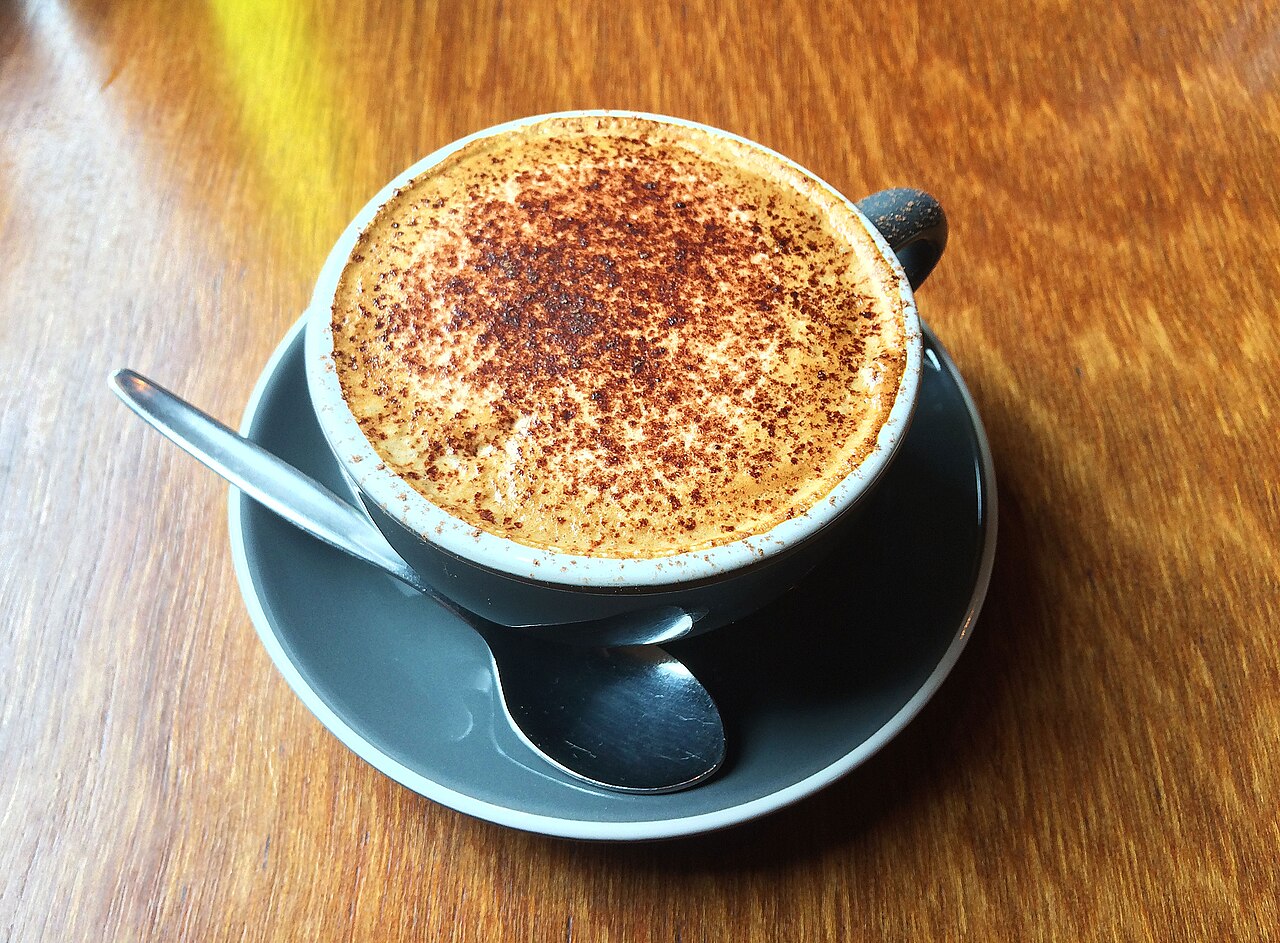
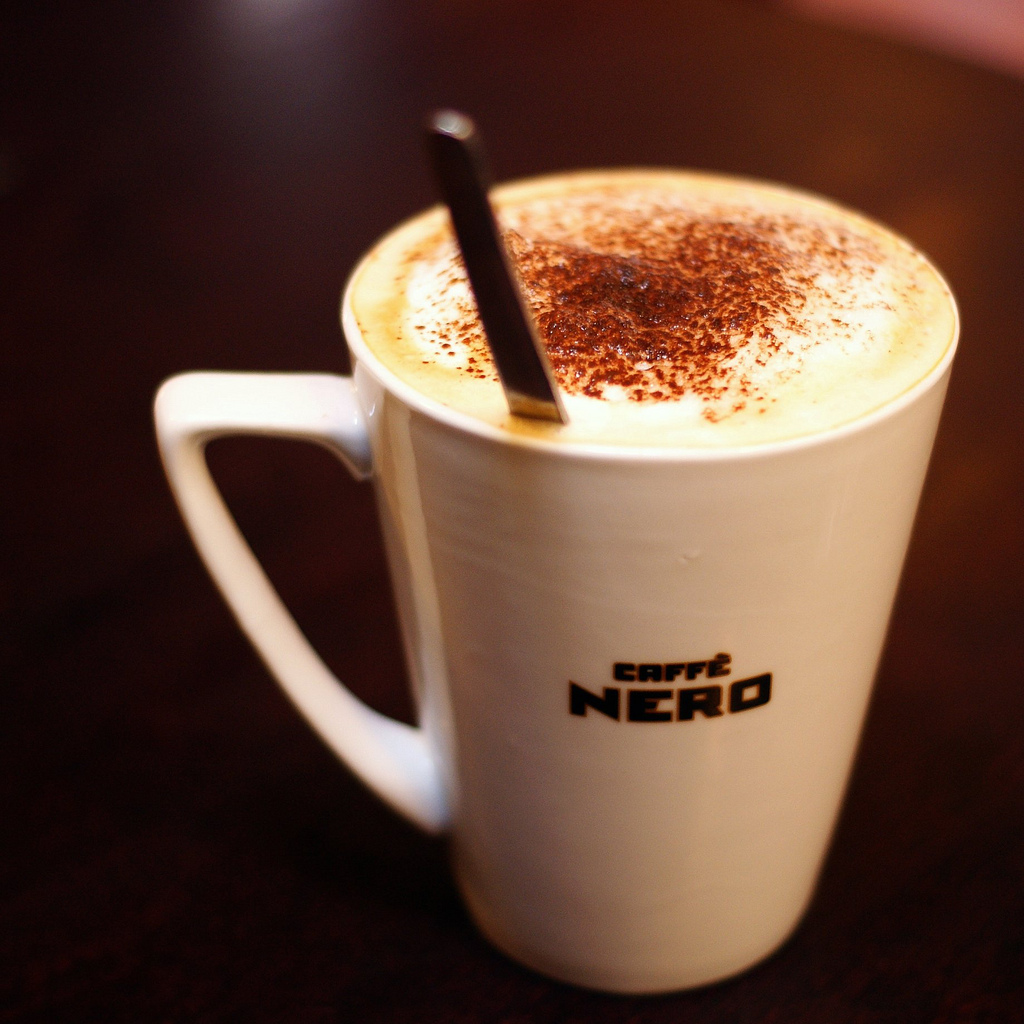
The photographs show two drinks identified by their creators: a mocaccino in New Zealand and a white-chocolate mocha. Both have pale foam and a brown surface dusting. Their similar appearance demonstrates why the photograph cannot reveal which chocolate was incorporated below. Use the menu or recipe description to answer that question rather than deciding from the topping’s colour.
Choose pieces, sauce or powder deliberately
Chocolate pieces need to melt and disperse. A prepared chocolate sauce is already fluid, but its sweetness and concentration depend on the product. Cocoa powder and a sweetened drinking-chocolate mixture should not be treated as identical spoonfuls: read the actual ingredients and preparation directions. Decide which form you are using before adjusting sugar, because an apparently small addition can already bring considerable sweetness to the cup.
For a first home attempt, use one identified chocolate ingredient rather than pieces, sauce and powder together. This keeps the result understandable. Measure the amount by the unit appropriate to that product; four squares from one bar are not a reliable equivalent of four squares from another. Keep the wrapper available for ingredient information instead of assuming a dark-looking chocolate has a particular sugar content or is free of milk.
Use one recipe as the starting point
Nespresso’s Original-system example lists a 40-millilitre coffee, 100 millilitres of milk and four of its own chocolate squares, combined using the named device’s Mocha setting. This is one small producer recipe. If using that equipment, follow the relevant instructions and quantities rather than translating a program intended for a particular jug into a command for an unrelated appliance.
For ordinary manual assembly, keep the same three jobs clear: prepare the coffee, incorporate the chosen chocolate completely, and add appropriately warmed milk. Choose a suitable cup with room for the liquid and any foam. Follow your coffee and milk-heating equipment instructions. A machine-specific published recipe can explain the combination without requiring that every home preparation reproduce its branded equipment or its chocolate-square size.
References: 1
Make the chocolate base smooth before adding all the milk
Put the chosen sauce or suitably prepared chocolate into the cup or appropriate preparation vessel as directed by the recipe. Add a little of the hot coffee and stir through the base, checking the bottom and corners. Once the mixture is smooth enough for the intended drink, add the remaining coffee. The purpose of this stage is even distribution, not a decorative stripe that remains untouched under the finished coffee.
If using a powder, follow its preparation instruction so dry lumps are not hidden beneath the foam. Do not assume a final vigorous stir will repair every earlier problem after the cup is full. If solid pieces are not incorporating, use their appropriate preparation method rather than overheating an assembled drink or placing a serving vessel in a microwave when it is not approved for that use.
Add milk for the balance you want
Warm or texture the milk through a suitable method and add it to the coffee-chocolate base with enough control to avoid overflowing. Stop before any planned foam or cream would exceed the cup’s space. This guide does not prescribe an appliance-independent steaming temperature: follow the relevant equipment instructions and handle hot vessels carefully. A large crown of foam is a presentation choice, not proof that the chocolate underneath has been mixed well.
Taste when comfortably cool enough and identify what dominates. If the result feels like hot chocolate with little coffee presence, review the coffee portion and the amount of chocolate and milk on the next serving. If chocolate barely registers, confirm that it actually dispersed before adding more. A coating left at the bottom is a mixing issue as well as a quantity question.
Understand white mocha and extra toppings
A white-chocolate mocha uses a different chocolate ingredient rather than merely omitting the cocoa dusting. Nespresso’s White Mocca example explicitly includes white chocolate, milk, espresso and a cream topping. Its quantities and finishing method belong to that version, not to every cafe selling a drink under a similar name. Ask whether the shop uses a sauce, pieces or another prepared ingredient if the distinction matters to your preference.
Treat whipped cream, chocolate shavings and additional syrups as optional additions with their own ingredients. They can be enjoyable without being necessary for a recognizable mocha. Taste a simpler version first if you want to understand the coffee-chocolate relationship. When ordering less sweet, ask what can actually be reduced: a fixed premix offers different choices from separately added chocolate sauce and a separate topping.
References: 3
Keep an iced version from inheriting hot-drink assumptions
For an iced mocha, identify which stage incorporates the chocolate before the cold components are assembled. A chocolate piece dropped into a finished cold drink does not perform the same job as an already incorporated sauce. Use an appropriate iced recipe rather than simply adding an unplanned quantity of ice to a full hot cup. Container capacity, melting ice and the intended amount of milk all change the result.
A cafe may use a different recipe or serving size for hot and iced orders, even when both say mocha. Ask about coffee serving, chocolate ingredient and milk rather than assuming the hot version is made first and then chilled. This article’s two photographs depict hot-style presentations; they are not relabelled as iced drinks or evidence of a particular shop’s current menu.
Order with a few useful words
A clear order can specify the drink, size, milk choice, chocolate variant and whether you want cream. If sweetness is the concern, ask how the chocolate is supplied and what adjustment the cafe can make. Avoid ordering a vague stronger mocha when you mean more coffee rather than more chocolate. Staff can respond more accurately when you name the ingredient or balance you want to change.
For ingredient or allergy requirements, obtain the actual product and preparation information through the cafe’s appropriate process; a milk substitution alone does not establish the contents of chocolate sauce or a topping. Do not infer a caffeine or nutritional value from the drink’s colour, foam or name. The size, coffee serving and ingredients of that specific order are the information needed.
Change the chocolate without confusing the comparison
Illustrative preparation: one adult enjoys the milk and coffee balance in a home mocha but finds a sauce too sweet. On a later serving, they select a different clearly identified chocolate ingredient and follow its preparation directions while keeping the intended coffee and milk portions comparable. They judge both sweetness and mixing, rather than assuming that a darker-looking drink proves less sugar. This is a practical adjustment sequence, not a tested comparison or a promise about a particular product.
Questions
Is cocoa dusting enough to make a latte into a mocha?
A topping alone does not establish that chocolate was incorporated into the drink. Read the recipe or ask the cafe what is mixed with the coffee and milk. Similar-looking cups can contain different preparations.
Why does chocolate remain at the bottom?
Review the incorporation step and the product’s preparation directions. Pieces may not have fully melted, powder may remain in lumps, or a sauce may not have been stirred through. Correct that process before assuming the only answer is a larger chocolate amount.
Can I make a mocha without an espresso machine?
You can make a clearly described home variation with an appropriate strong coffee and suitable chocolate and milk preparation. Expect a different balance from the cited espresso recipes, and avoid calling a large mug of ordinary coffee an identical espresso serving.
Sources and photography
Photographs are credited beside each image. Their recorded capture dates describe the images; check the current visitor or product information linked above when planning.