Espresso tonic: build a balanced drink without losing the bubbles
Espresso tonic combines a short coffee with tonic water and ice. The mixer brings its own flavour, sweetness and bitterness; it is more than sparkling water used to lengthen coffee. Start with a modest measured serving, pour with enough room for foam, and decide whether optional citrus improves the combination you actually have.
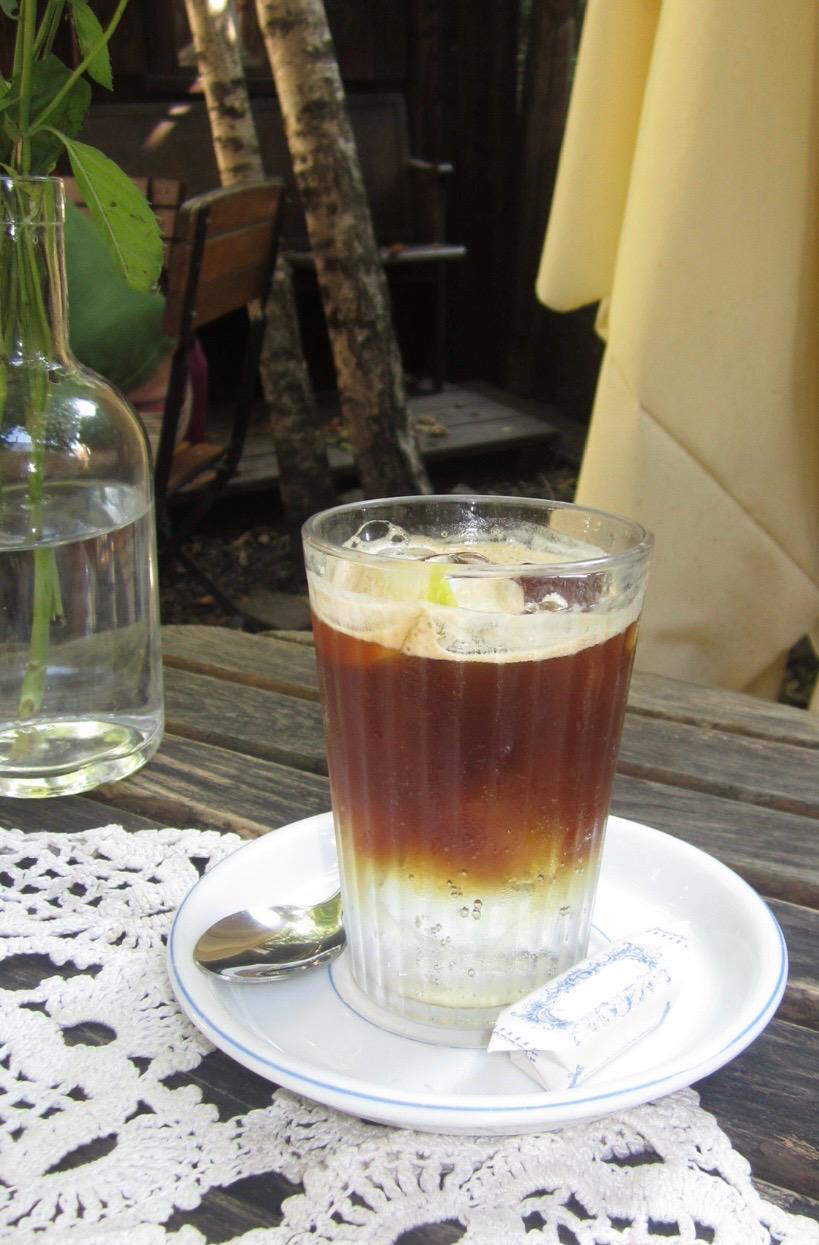
Choose tonic water deliberately
Read the label before opening the bottle. Tonic water, club soda and a flavoured sparkling water are different choices. For example, Fever-Tree identifies quinine as the bitter component in its elderflower tonic and describes floral flavourings in that particular product. That is evidence about the named mixer, not a guarantee that all tonics have the same taste or sweetness.
For a first preparation, choose a clearly identified tonic rather than a strongly flavoured mixer selected only because its bottle looks attractive. Taste a small amount on its own. If you dislike it before coffee is added, the combination is an uncertain place to start. Keep the container nearby so you can identify what you used if you want to repeat the drink.
References: 2
Start with a published small proportion
Nespresso’s Poland recipe lists 90 millilitres of tonic with 40 or 80 millilitres of coffee, ice and optional grapefruit or lime. The two coffee volumes make noticeably different proportions even before ice melts. Begin with the smaller coffee option if you want a manageable reference serving, then decide whether you want more coffee presence in a later glass.
Prepare a 40-millilitre espresso using suitable equipment and its normal instructions. Measure 90 millilitres of tonic separately. Choose a glass that comfortably holds both liquids plus ice, with extra space above. The liquid arithmetic is 130 millilitres before any meltwater; that does not mean a 130-millilitre vessel will work once solid cubes and foam occupy space.
References: 1
Set the glass and ice up first
Place the serving glass on a stable surface and add clean ice. Open the chilled mixer when you are ready to pour rather than leaving it in an open measuring jug while you prepare everything else. Measure what you need and return attention to the drink. Follow the product instructions for storing any remainder; a partly used large bottle is another variable in a later preparation.
Pour the tonic over the ice with room left for the coffee. Check the actual level rather than relying on the printed capacity of an unusually shaped glass. If you have already filled almost to the rim, remove some liquid before adding coffee. A smaller serving in a suitable glass is easier to assemble than a dramatic overfilled drink.
Pour coffee slowly and watch the rise
Add the espresso gently over the tonic and ice, watching the foam and liquid level as you pour. Stop temporarily if the head rises toward the edge. A forceful pour that overflows the glass loses both ingredients and makes the final proportion difficult to judge. Layering can be attractive, but a photograph of a distinct dark layer does not prove a better-balanced drink.
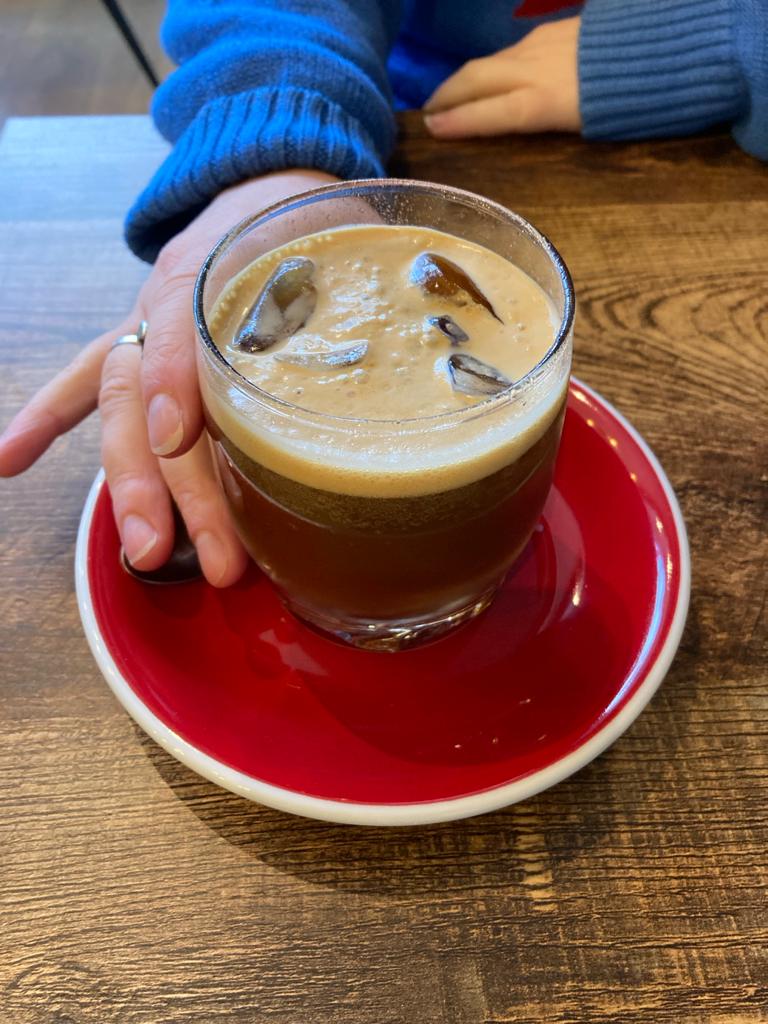
For the first sip, decide whether you want to sample a layered presentation or mix gently for a more even taste. If you stir, use a suitable spoon and avoid vigorous whisking. Do not place the carbonated mixture in a sealed cocktail shaker. This guide describes direct assembly in the serving glass; the earlier shakerato technique is a different preparation.
Try citrus as an addition rather than a rescue
The cited producer recipe offers lime or grapefruit. Treat citrus as optional so you can understand the coffee and tonic combination first. A garnish at the rim and juice mixed into the liquid do different jobs: one changes aroma and presentation, while the other changes the mixture itself. Wash and prepare fruit with clean tools before it approaches the glass.
If adding juice, start with a small squeeze and taste rather than emptying a large wedge automatically. The size and juiciness of fruit vary. If you dislike the drink’s bitterness, adding more citrus may simply introduce another pronounced flavour. Revisit the mixer or coffee balance on the next serving instead of treating a garnish as a universal correction.
Distinguish a plain drink from a cocktail variation
A plain espresso-tonic ingredient list need contain only coffee, tonic and ice, with optional fruit. However, another Nespresso recipe published under an espresso-tonic name includes Aperol and prosecco. This shows why a menu name alone does not establish the absence of alcohol. Read the actual description and ask the maker if the distinction matters.
Likewise, a café may use orange syrup, botanical syrup or another mixer alongside tonic. Ask whether sweetness can be adjusted and which component provides it. Requesting no extra syrup does not remove the sweetness already present in the tonic. This article does not infer ingredients from the colour of a finished glass or offer a nutritional value for an unspecified order.
References: 3
Troubleshoot with the ingredients still identifiable
If coffee dominates, try a smaller coffee serving or a little more of the same tonic in a later preparation. If the mixer overwhelms the coffee, try the other published coffee portion before changing both beans and tonic. If the drink feels flat, check the mixer before blaming the espresso. Comparing it with a freshly opened portion is more informative than adding more coffee to a tired drink.
If the drink becomes increasingly weak, notice how long it stands over ice and whether the cubes were already very wet when assembled. Serve promptly and choose a portion you intend to drink. A tall glass can encourage unnecessary dilution simply because you want it to look full. There is no requirement to use the whole vessel for a single serving.
Make ordering concise
A useful café question is: which tonic do you use, and does the drink include syrup or alcohol? Follow with the coffee serving if you prefer a more coffee-forward balance. Staff may have a fixed recipe; asking what can be changed is more helpful than assuming every ingredient is prepared separately to order.
For a home comparison, keep the coffee portion and ice setup similar while trying a second tonic on another occasion. Evaluate sweetness, bitterness and whether you enjoy the coffee flavour together. Do not turn one pleasant glass into a universal brand ranking. The point is to find a repeatable combination for your palate, using ingredients you can name.
Use the mixer to explain the change
Illustrative serving: Ana likes 40 millilitres of espresso over 90 millilitres of a plain tonic but finds a floral tonic too prominent at the same quantities. She returns to the original mixer before changing her coffee. On another day she can try a different proportion deliberately. This separates mixer preference from coffee preparation without claiming that either tonic is objectively better.
Questions
Can sparkling water replace tonic?
It creates another coffee-and-soda preparation with a different ingredient profile. Describe the substitution explicitly instead of expecting the same balance.
Is the layered look necessary?
No. It is a presentation choice. The way you sip or gently mix the glass changes how evenly you experience the ingredients.
Does no added syrup mean unsweetened?
Not necessarily. Check the tonic itself as well as any separate additions. Different mixer formulations need not contain the same ingredients.
Sources and photography
- Nespresso Poland: Espresso Tonic
- Fever-Tree: Elderflower Tonic Water
- Nespresso Colombia: Espresso Tonic
Photographs are credited beside each image. Their recorded capture dates describe the images; check the current visitor or product information linked above when planning.