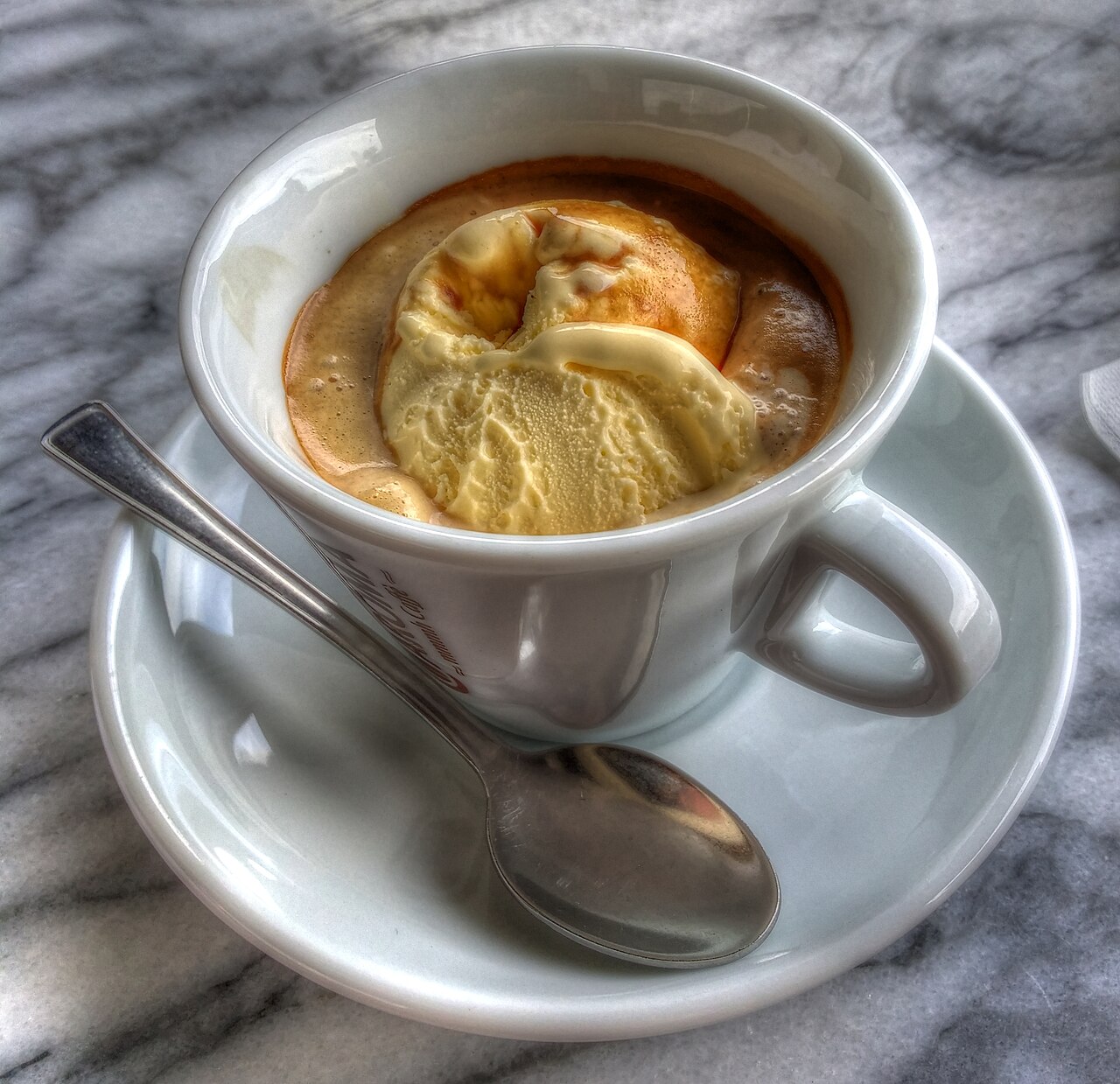
Dessert coffee8 min read
An affogato is most interesting while cold ice cream, hot coffee and the first melted cream still taste distinct. Make it at the moment you want to eat it. This guide covers a small starting version, the pouring sequence, separate-table service and adjustments that preserve the dessert instead of turning it unintentionally into a large milky drink.
Read the guide ↗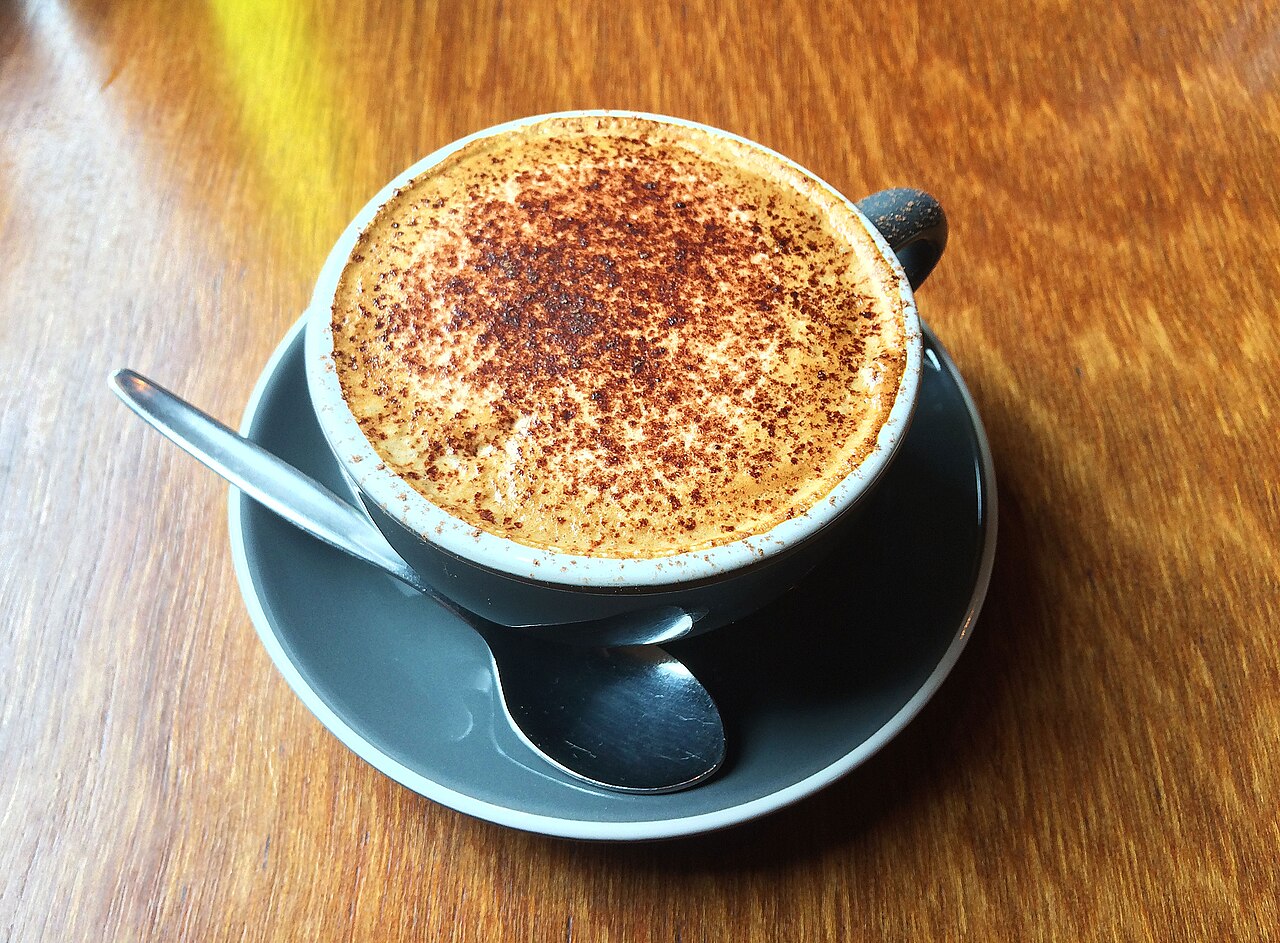
Coffee composition7 min read
A mocha combines coffee, milk and chocolate, but chocolate can arrive as pieces, sauce or a prepared powder mixture. Those choices change both assembly and sweetness. Learn a straightforward hot preparation, understand why chocolate collects at the bottom, and order a version you want without assuming every cafe uses the same formula.
Read the guide ↗
Menu reading6 min read
Café au lait looks straightforward: coffee and hot milk. The useful detail is what the café means by coffee. A filter brew, a coffee-and-chicory blend and an espresso-based producer recipe can all appear under this name. Learn a workable home preparation and a clear way to order, without turning one local formula into a rule for every cup.
Read the guide ↗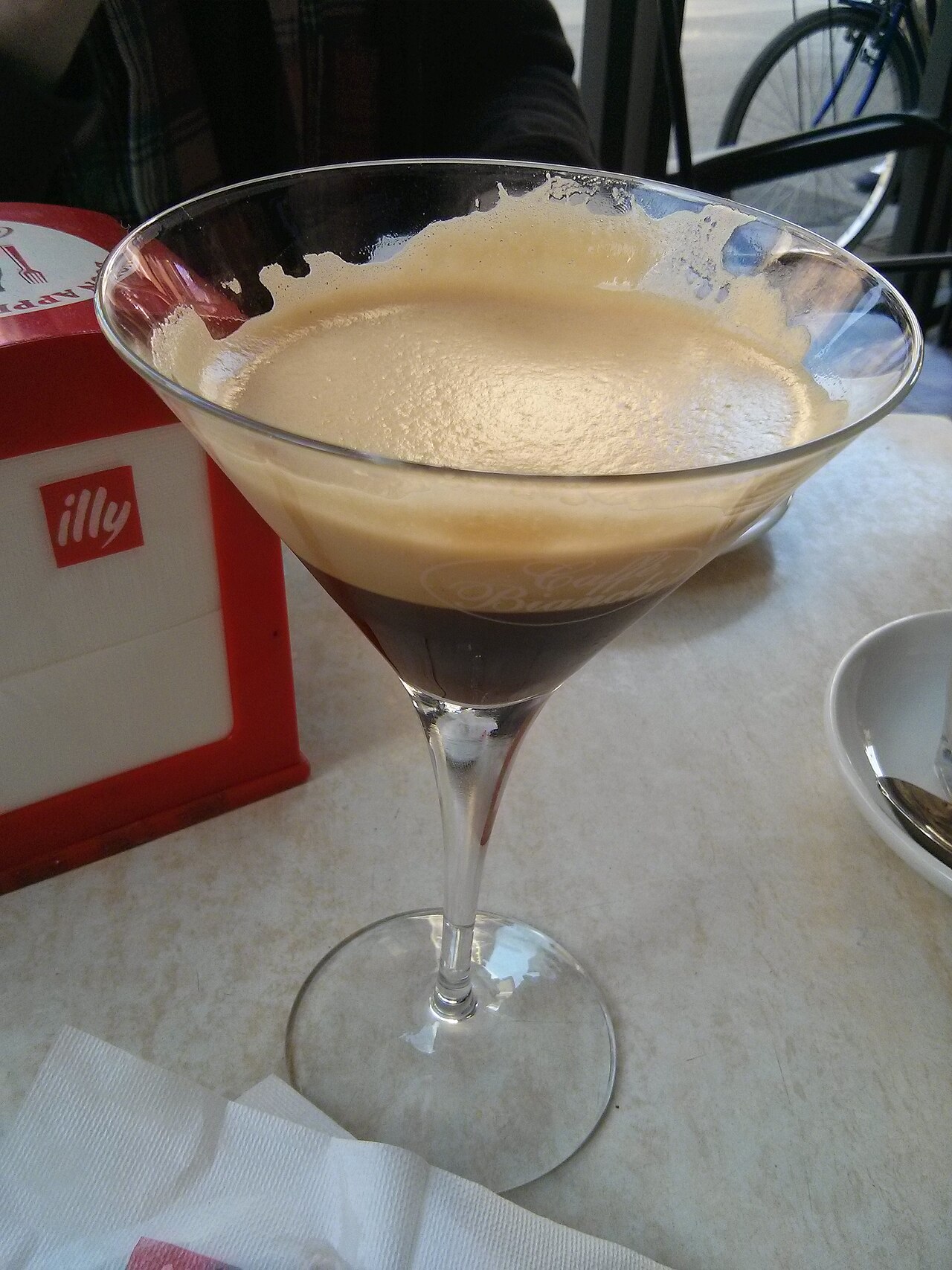
Chilled styles6 min read
A shakerato is a short cold coffee transformed by vigorous shaking with ice, usually with sweetness included. Its tan foam is part of the preparation, not a spoonful of milk froth placed on an iced coffee. Learn how to assemble a small serving, manage the meltwater and tell a plain shakerato from a chocolate or alcoholic variation.
Read the guide ↗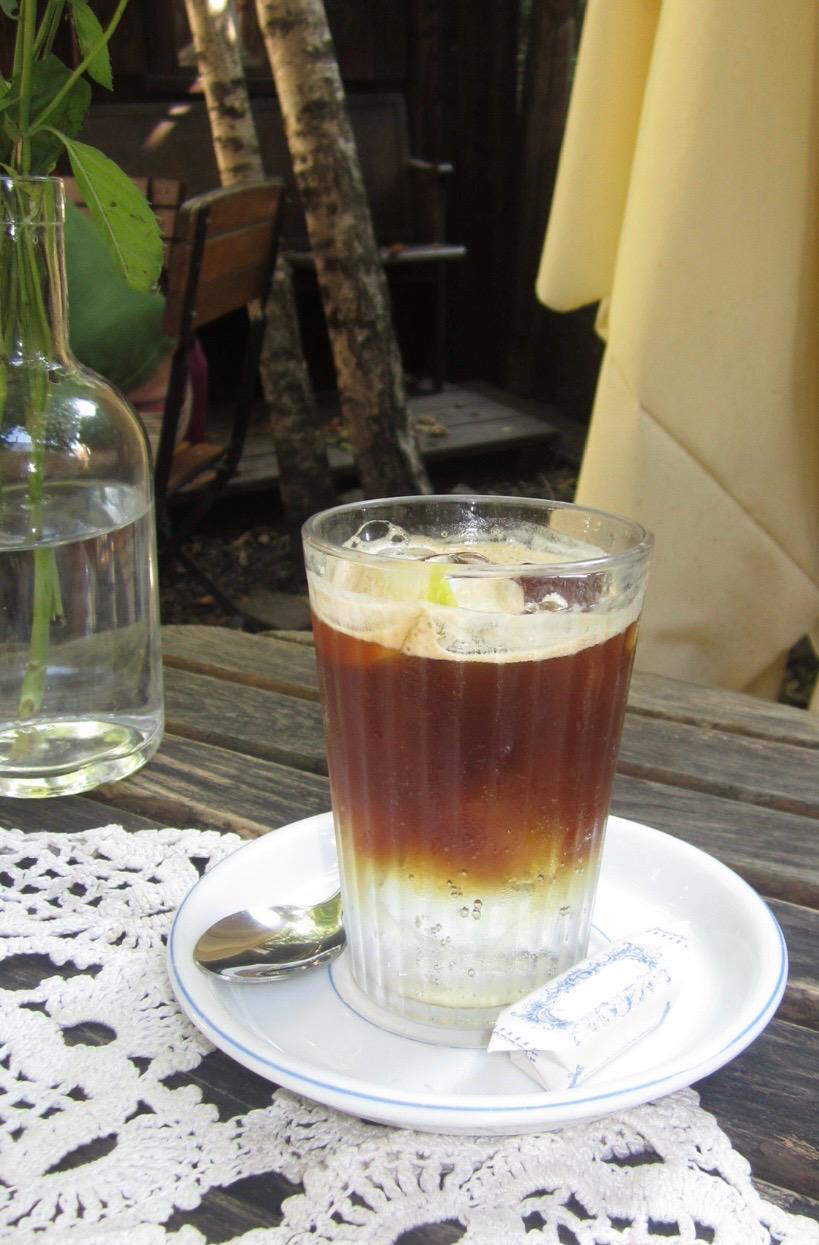
Chilled styles6 min read
Espresso tonic combines a short coffee with tonic water and ice. The mixer brings its own flavour, sweetness and bitterness; it is more than sparkling water used to lengthen coffee. Start with a modest measured serving, pour with enough room for foam, and decide whether optional citrus improves the combination you actually have.
Read the guide ↗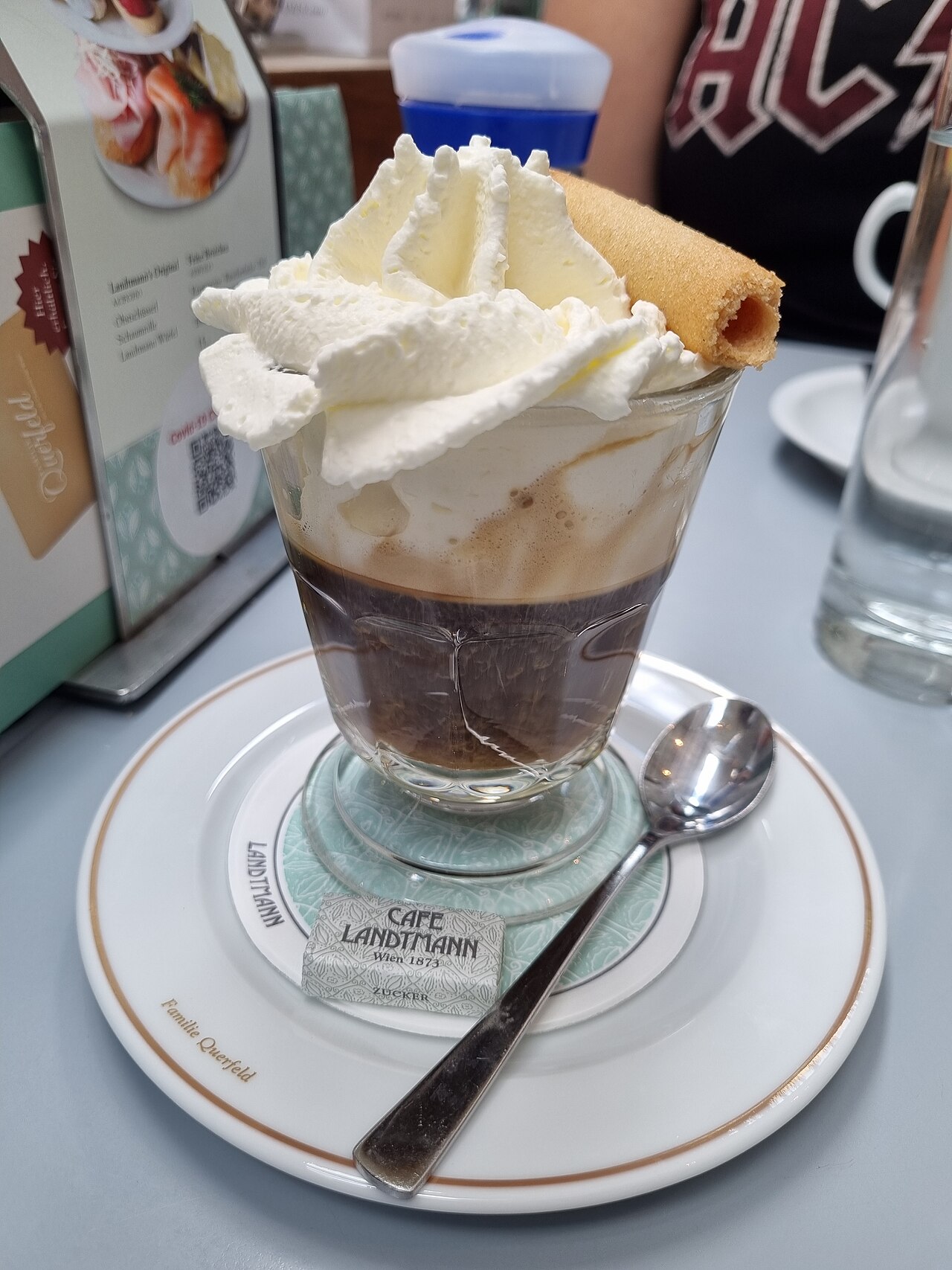
Dessert coffee6 min read
A crown of whipped cream can identify the most visible part of a coffee while hiding important differences beneath it. Vienna’s Einspänner is a useful reference: black coffee in a glass topped with whipped cream. Some producers also call a chocolate-and-coffee recipe Viennese coffee. Learn to choose the version, prepare the topping and serve a cup whose ingredients are clear.
Read the guide ↗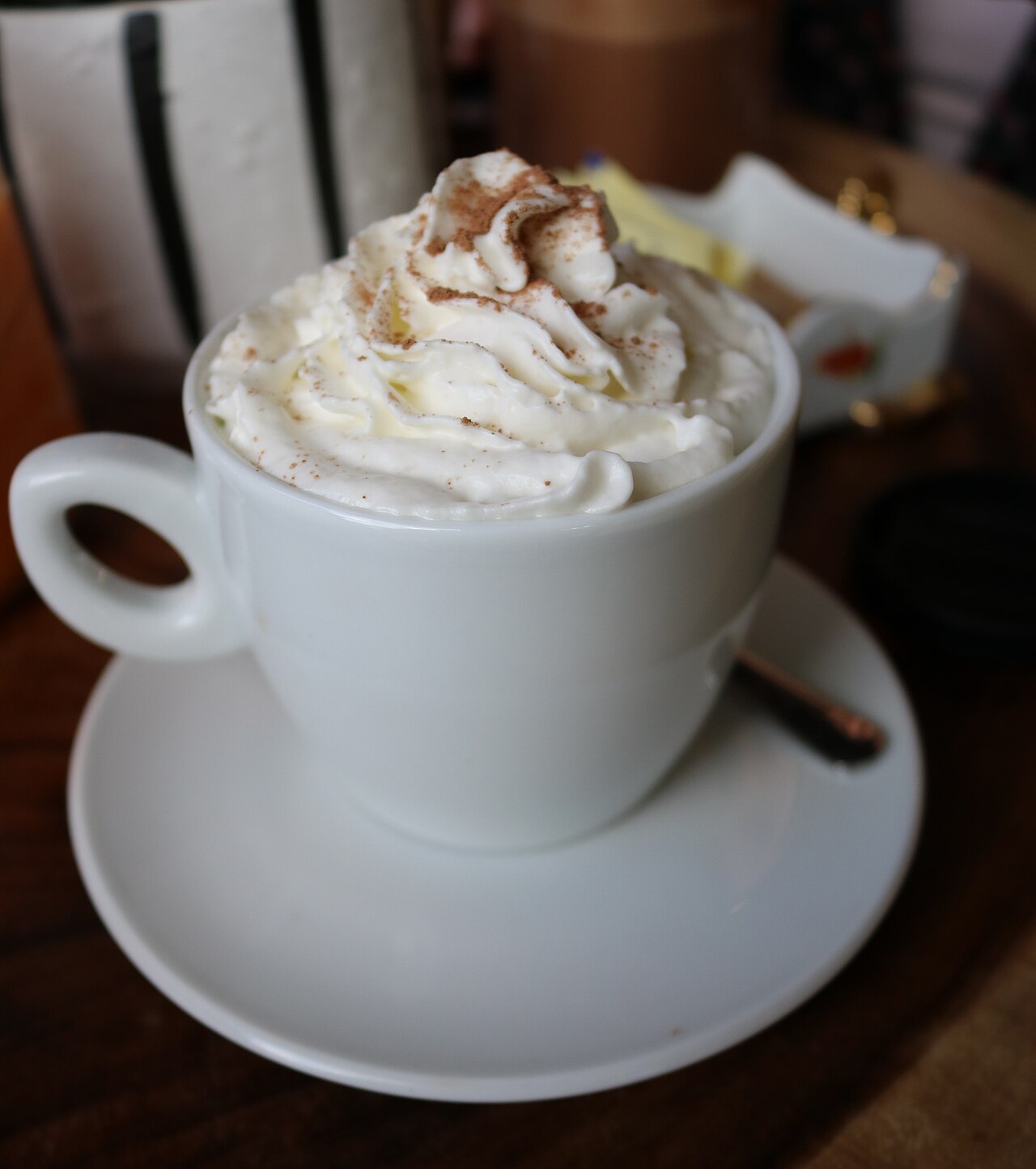
Coffee composition6 min read
Espresso con panna brings whipped cream to a short espresso rather than turning coffee into a large milk drink. Its apparent simplicity leaves several choices: coffee serving, topping texture, sweetness and how much cream you actually add. Prepare those decisions separately so a small cup remains easy to serve and enjoyable to drink.
Read the guide ↗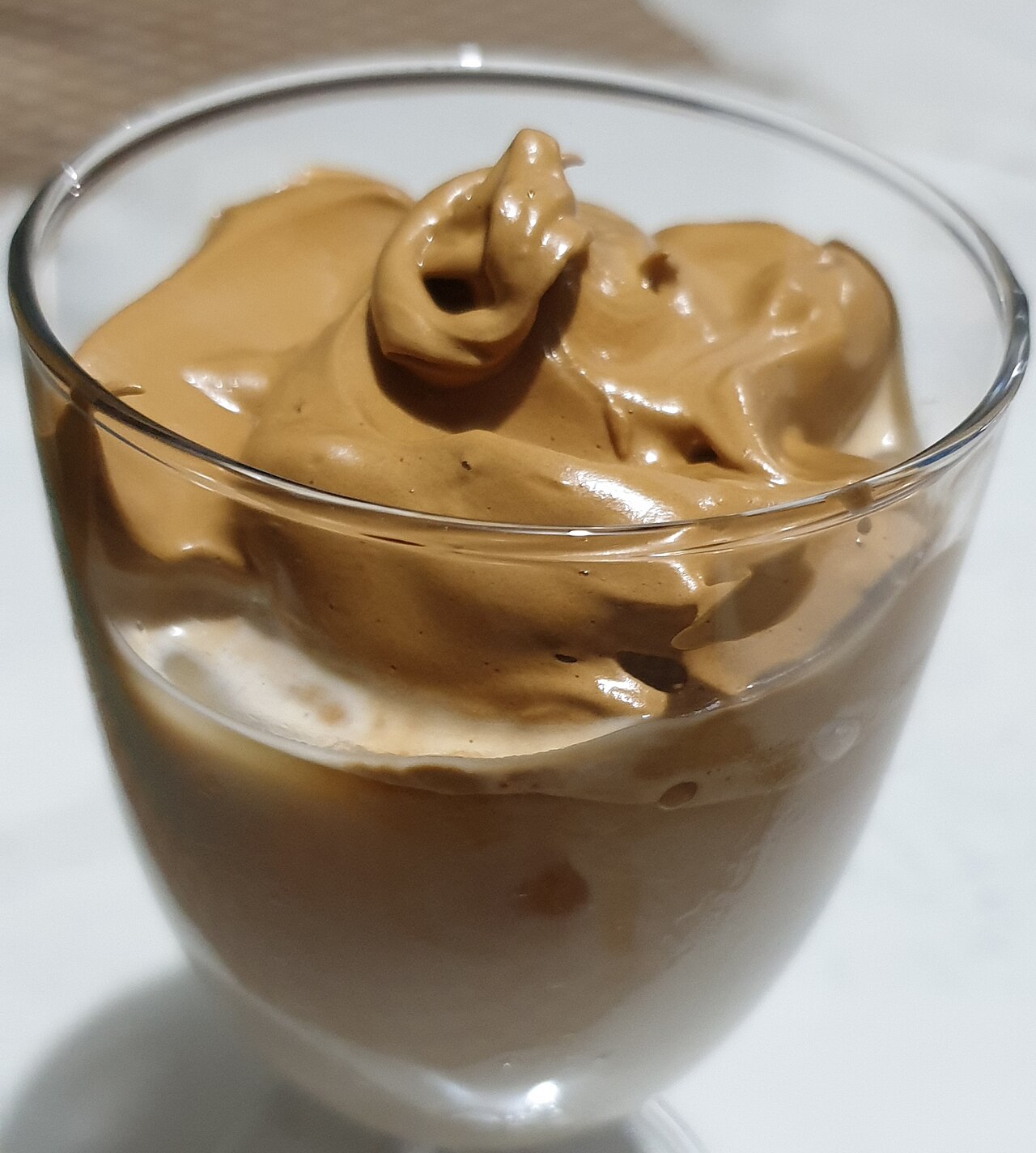
Coffee composition6 min read
Dalgona coffee puts a thick whipped coffee mixture above milk. The upper layer is made separately, so a finished glass is more than ordinary iced coffee with a little foam. Use an explicit recipe with instant coffee, sugar and water, leave space for the topping, and stir the assembled drink before judging its balance.
Read the guide ↗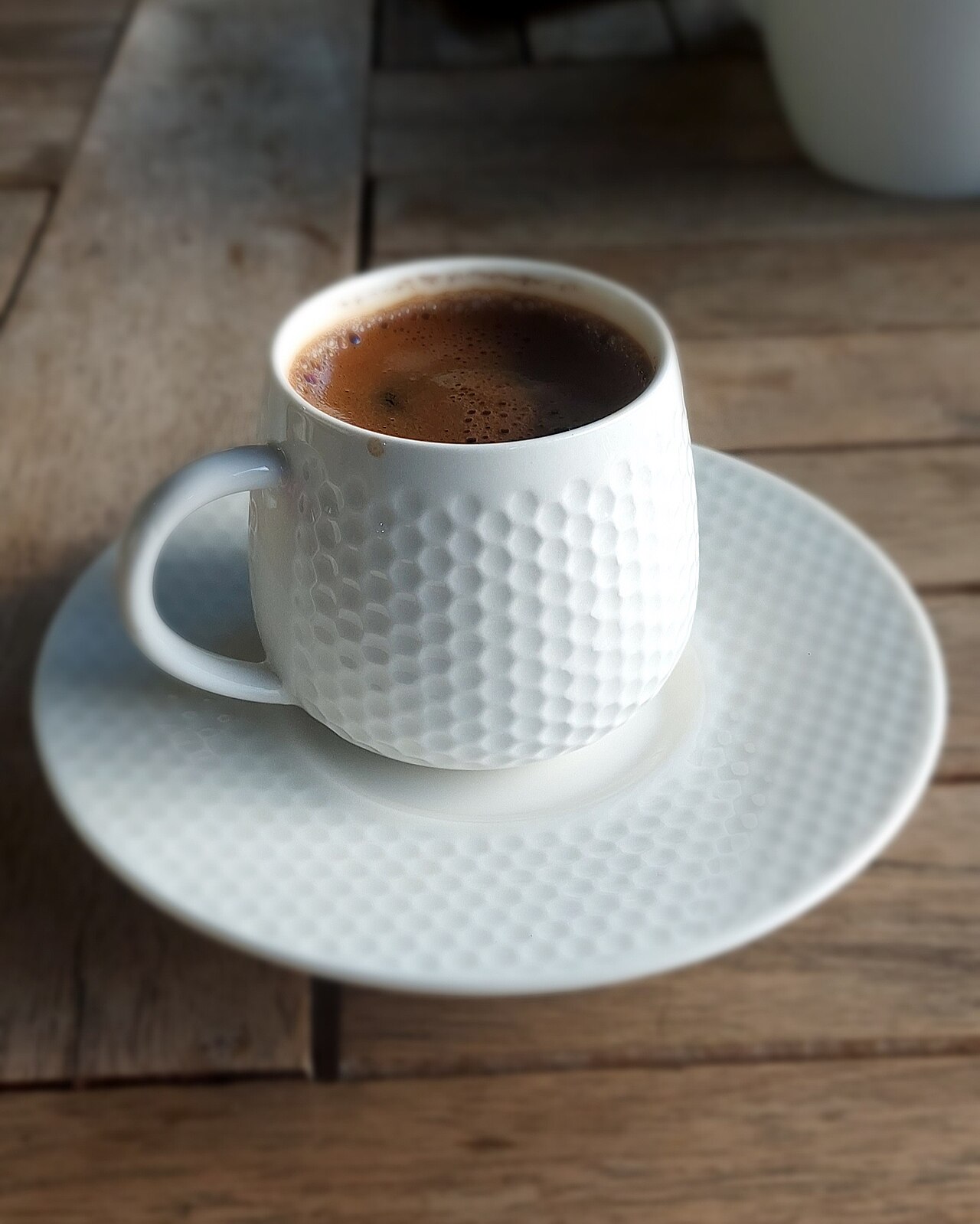
Coffee composition6 min read
Turkish coffee combines very finely ground coffee and water in a small long-handled pot, with sugar added during preparation if wanted. The finished drink is poured without a filter, so grounds remain part of the cup. Learn a small-batch workflow that respects the pot’s capacity and lets you enjoy the liquid without chasing the sediment at the bottom.
Read the guide ↗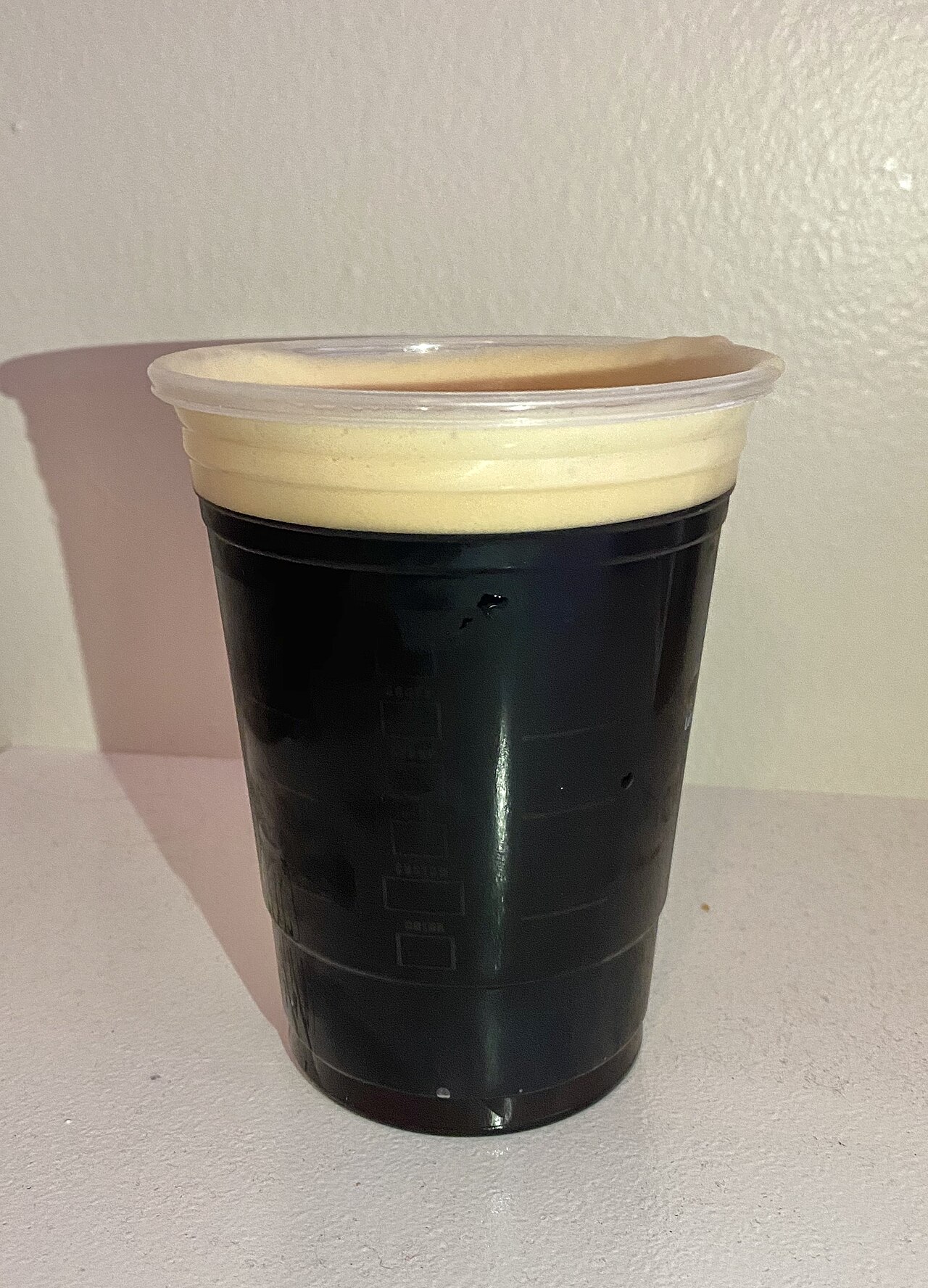
Chilled styles6 min read
Cold brew names a way of extracting coffee; nitro identifies an additional nitrogen treatment and service. That distinction helps you understand a menu, serve a ready-to-drink can and compare versions without assuming a creamy-looking head contains milk. Start by identifying the base coffee and additions, then follow the instructions for the actual product in your hand.
Read the guide ↗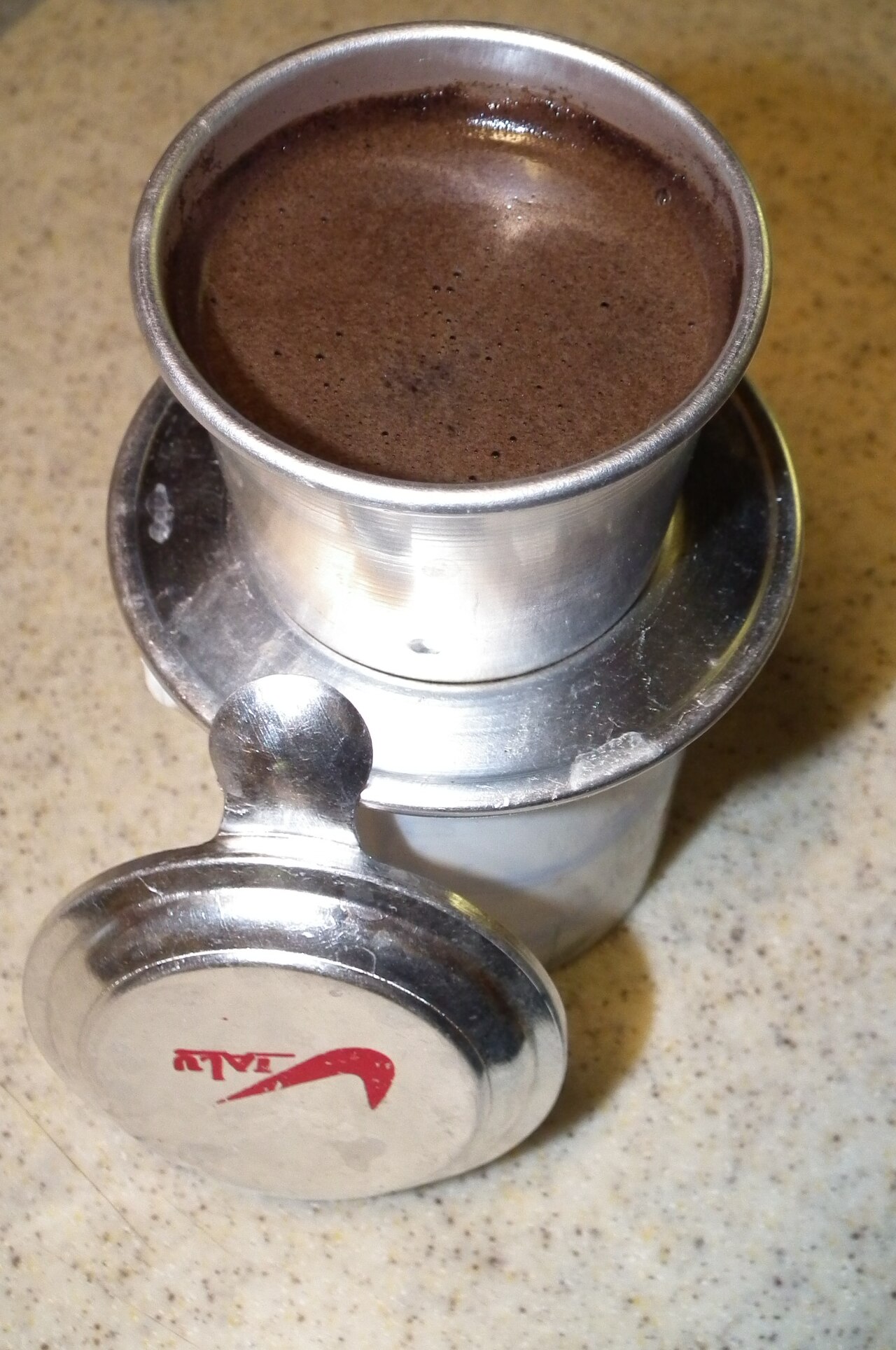
Menu reading6 min read
A phin is a small Vietnamese drip brewer, not an instruction that every cup must contain condensed milk. The filter, the coffee you load into it and the finished drink are separate choices. Learn a single-serving setup, watch the brew flow and decide whether to enjoy the result black, with milk or over ice.
Read the guide ↗
Coffee composition3 min read
A bag labeled coffee and chicory identifies a blend ingredient rather than merely a flavor resemblance. Read the product as its own composition. That distinction helps you understand what you are buying without inventing a caffeine percentage, a health benefit or a universal New Orleans serving recipe.
Read the guide ↗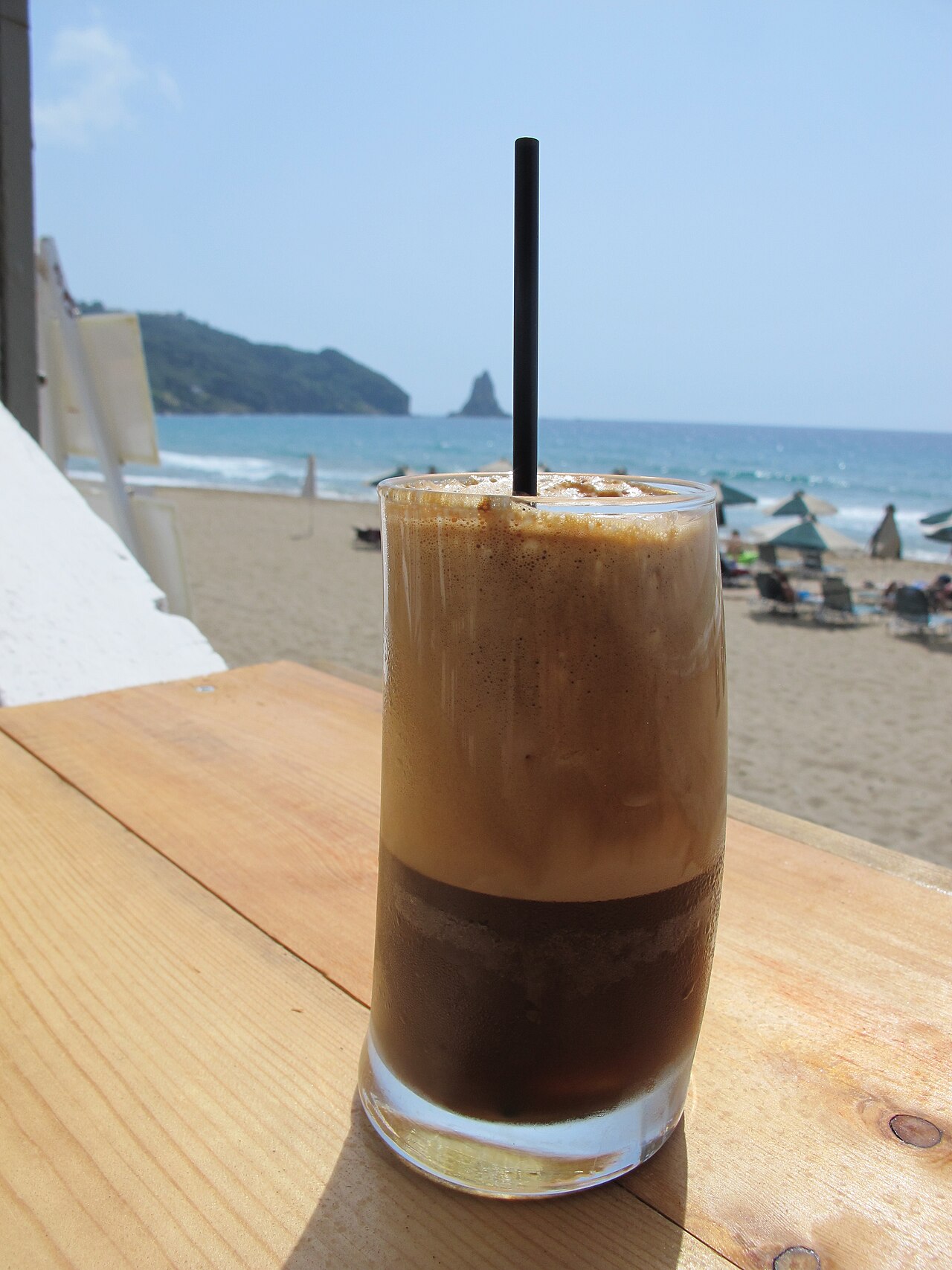
Menu reading5 min read
Frappé can lead to different drinks depending on the recipe. A foamy instant-coffee preparation shaken with water is different from a blender drink containing crushed ice and several additions. Learn a simple shaken version, understand where milk enters, and ask a useful question before ordering a drink whose name alone leaves the method unclear.
Read the guide ↗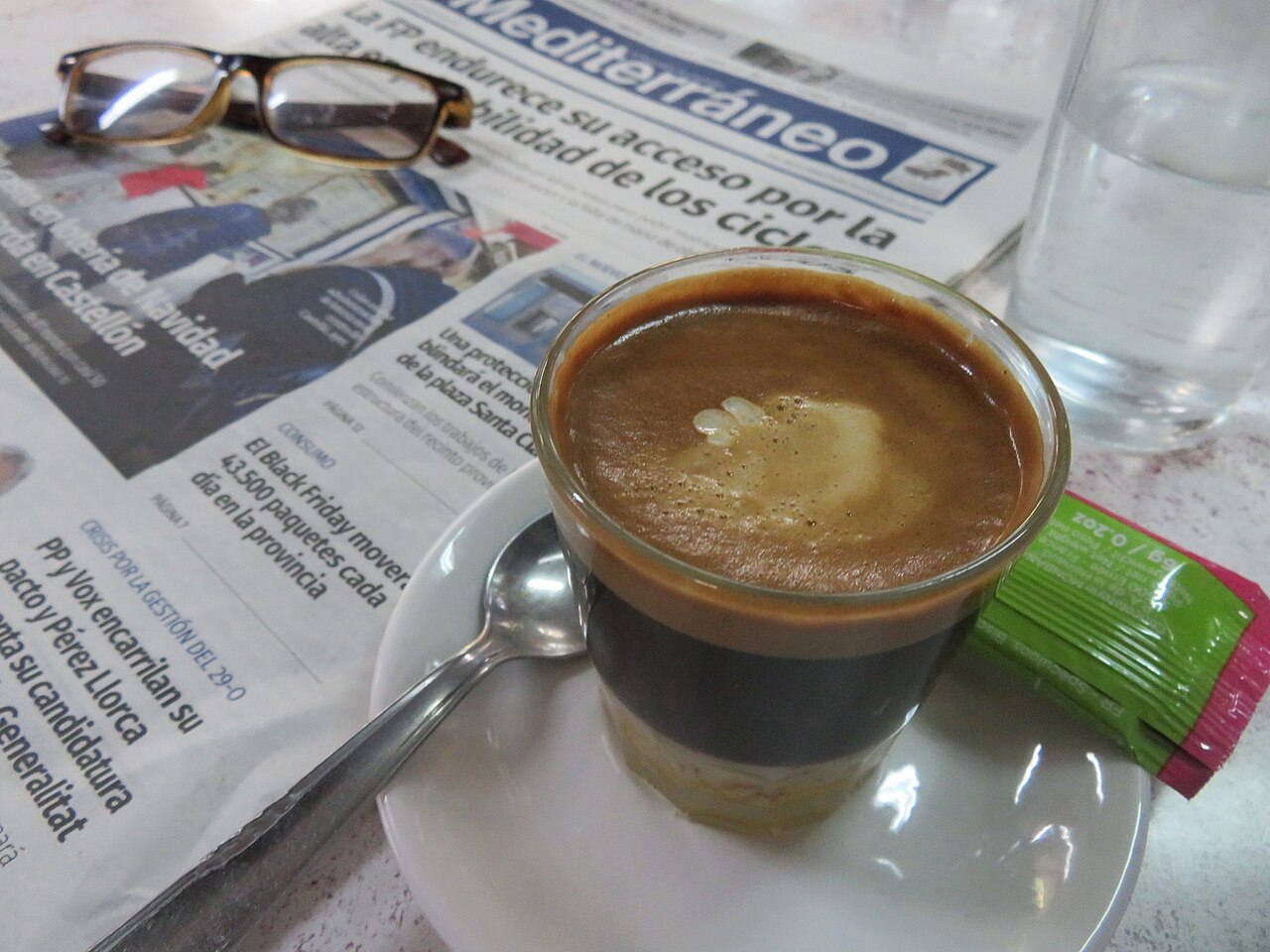
Coffee composition5 min read
Café bombón combines espresso and sweetened condensed milk in a small serving. The pale base makes an attractive layer, but its main role is ingredient, not decoration. Choose the correct milk product, measure a manageable portion and stir the finished drink before deciding whether its sweetness and coffee balance suit you.
Read the guide ↗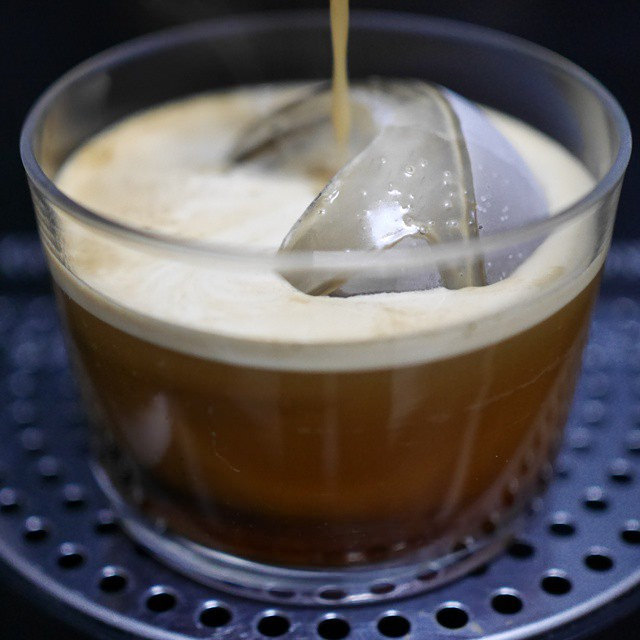
Chilled styles5 min read
Café con hielo begins with brewed hot coffee and ice. Sometimes those components arrive together; sometimes the coffee cup and ice glass are separate so you finish the drink yourself. Learn a controlled transfer, understand what melting ice contributes and distinguish a short iced coffee from a deliberately lengthened version.
Read the guide ↗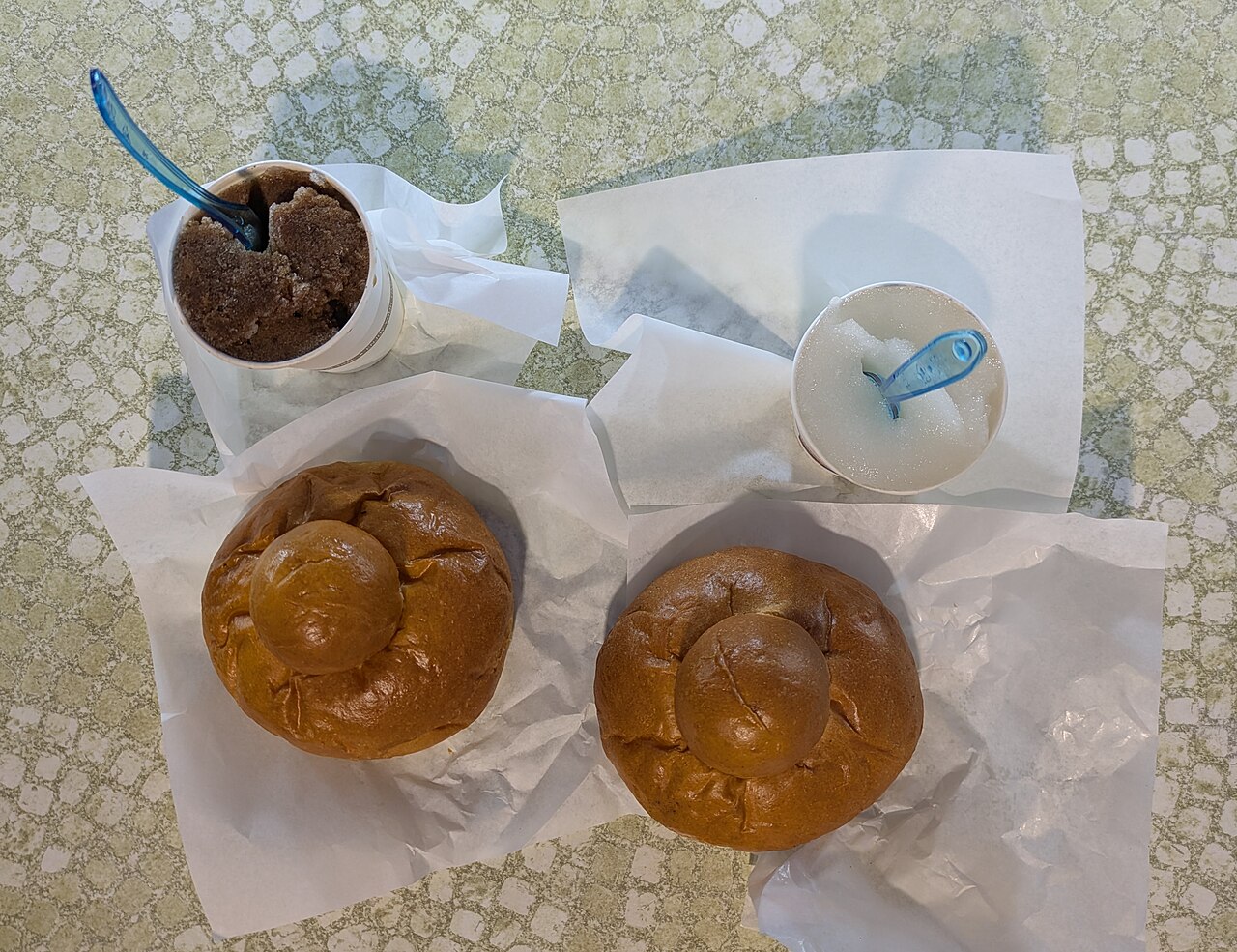
Dessert coffee5 min read
Coffee granita turns prepared coffee into a crystalline frozen dessert. The coffee is part of the ice itself, unlike a drink poured over plain cubes. A useful home batch needs a measured base, a suitable freezer container and repeated attention to texture. Plan it ahead, then add cream or another finish only when serving.
Read the guide ↗
Menu reading5 min read
A marocchino combines espresso with cocoa and a small milk-foam finish, sometimes with a chocolate base. Its name does not tell you whether a café uses syrup, spread or a different chocolate preparation. Learn one measured producer example, distinguish the jobs of syrup and cocoa, and avoid turning a compact drink into an accidental large mocha.
Read the guide ↗
Chilled styles3 min read
A coffee soda can be a simple coffee-and-sparkling-water combination or a more elaborate flavored drink. The bubbles identify a texture, not a complete recipe. Ask what the carbonated component contains, then consider coffee, sweeteners and garnishes as separate choices.
Read the guide ↗
Coffee composition3 min read
A citrus accent can reach a coffee drink through peel, juice, syrup or a flavored mixer. Those are different ingredients and different design choices. Read how the particular serving uses citrus before deciding that a visible slice explains the entire flavor or that every citrus coffee will taste alike.
Read the guide ↗
Menu reading3 min read
Exploring coffee styles does not require ordering a large flight or memorizing every menu term. Use a modest note that captures composition, texture, serving and preference across separate visits. The method makes differences interpretable without turning a pleasant drink into a caffeine challenge or a scoring competition.
Read the guide ↗